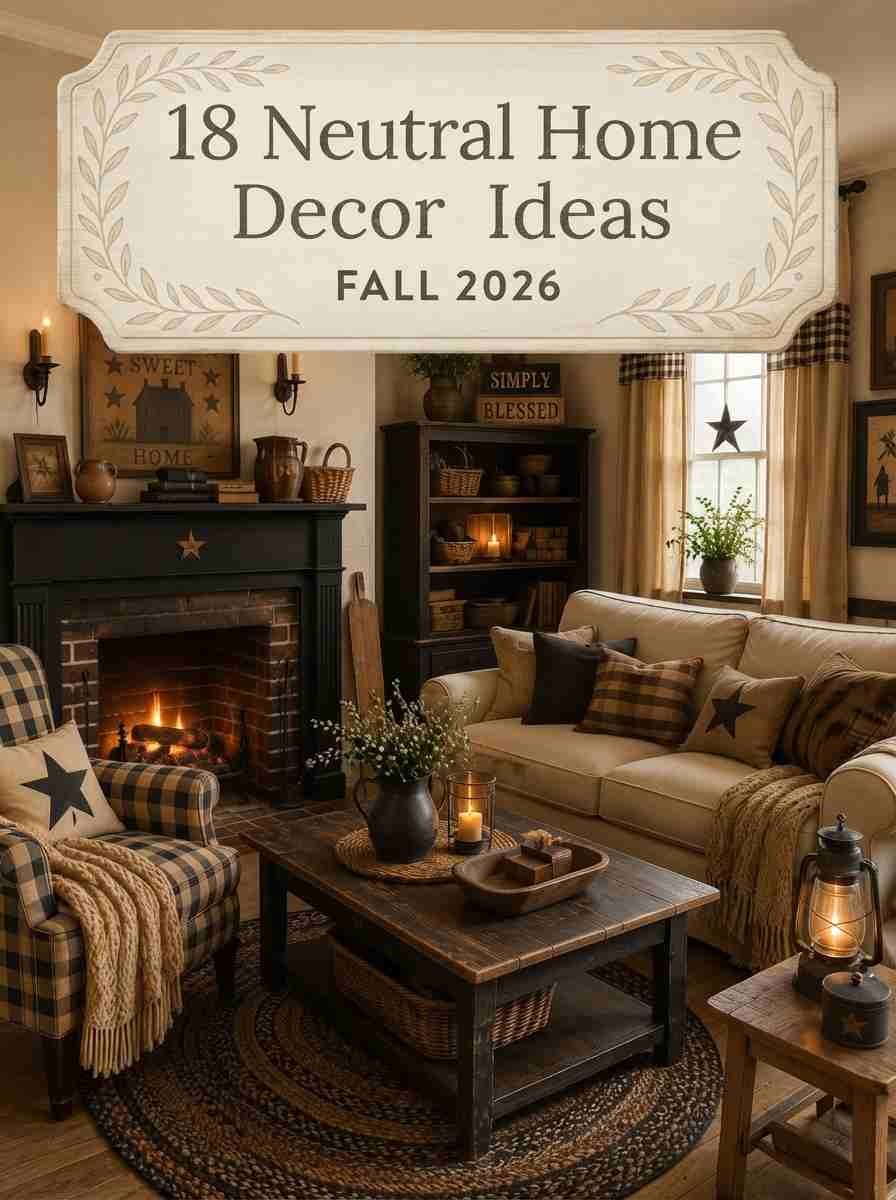
18 Neutral Home Decor Ideas 2026 That Never Go Out Of Style
Embrace the timeless elegance of neutral tones to create a serene and sophisticated living space that feels both calm and inviting.
These classic design principles focus on balance, texture, and light to build a foundation that withstands changing trends and seasons.
By selecting versatile colors and natural materials, you can craft a home environment that promotes relaxation and mental clarity daily.
Neutral palettes offer the perfect backdrop for personal expression, allowing your favorite art and accessories to shine without competition.
This approach ensures your interior remains fresh and relevant, providing a sense of stability and enduring beauty in every room.
Discover how simple, understated choices can transform your house into a peaceful sanctuary that welcomes you home with open arms.
1. Warm White Wall Colors
Choose warm white paint shades with subtle yellow or beige undertones to avoid the sterile feel of stark bright whites.
These soft hues reflect natural light beautifully while creating a cozy and enveloping atmosphere that feels gentle on the eyes.
Warm whites serve as a versatile canvas that complements both cool and warm accent colors, making future updates effortless.
Apply this color to walls, trim, and ceilings for a seamless look that enhances the sense of space and airiness in rooms.
Ensure proper lighting to highlight the warmth of the paint, preventing it from appearing gray or dull during evening hours.
This classic choice provides a clean, fresh backdrop that allows furniture and decor textures to take center stage effectively.
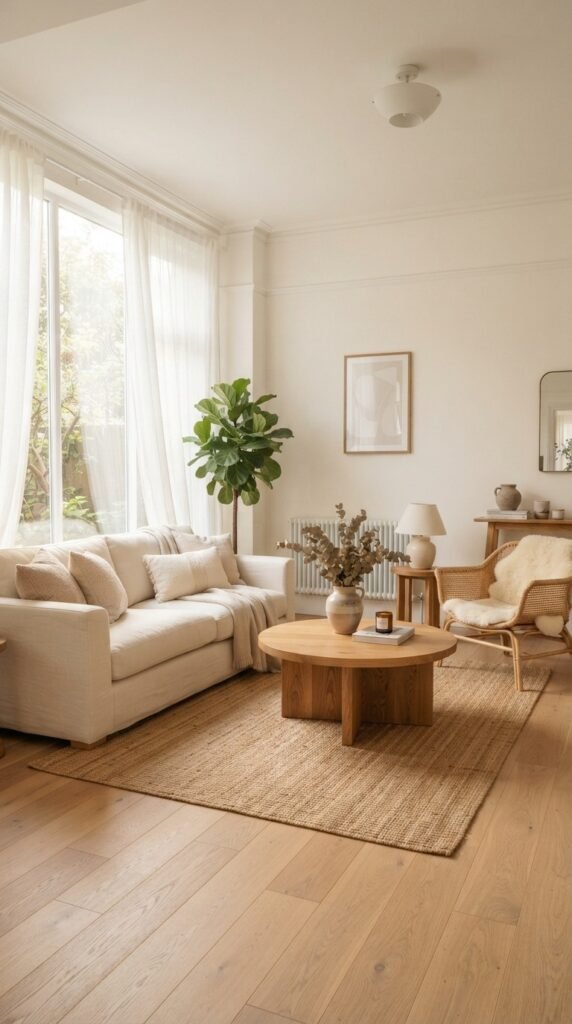
2. Natural Wood Flooring
Install hardwood floors in light oak, walnut, or ash tones to add organic warmth and durability to your living spaces.
Wood grain patterns provide visual interest and texture that synthetic materials cannot replicate, grounding the room in nature.
Choose wide-plank styles for a modern, expansive look or narrow planks for a traditional, detailed appearance that suits any style.
Finish wood with matte or satin sealants to enhance the natural beauty while protecting against daily wear and tear easily.
Pair wood floors with neutral rugs to define seating areas and add softness underfoot without hiding the beautiful flooring.
Regular maintenance like sweeping and occasional polishing keeps wood floors looking pristine and luxurious for decades to come.
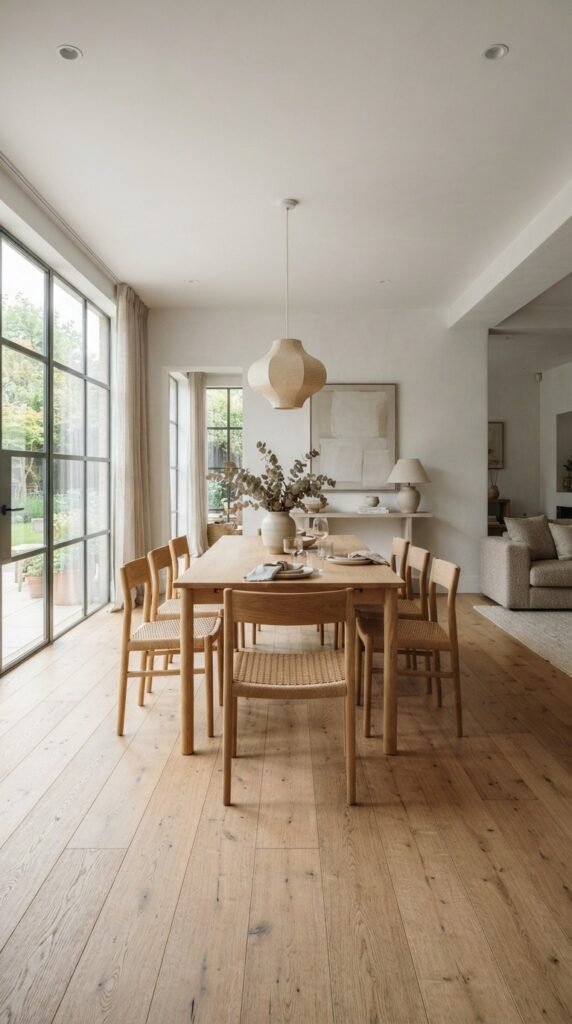
3. Linen Upholstery Fabrics
Select furniture upholstered in high-quality linen for its breathable, durable, and naturally textured appearance in neutral tones.
Linen ages gracefully, developing a soft patina over time that adds character and a lived-in charm to your seating arrangements.
Choose shades like oatmeal, stone, or flax to maintain a cohesive neutral palette that feels relaxed and effortlessly chic.
This fabric works well in both formal and casual settings, offering versatility that adapts to various design styles and occasions.
Clean linen regularly with gentle methods to preserve its integrity and prevent stains from setting into the natural fibers.
The tactile quality of linen invites touch and comfort, making it an ideal choice for sofas, chairs, and headboards alike.
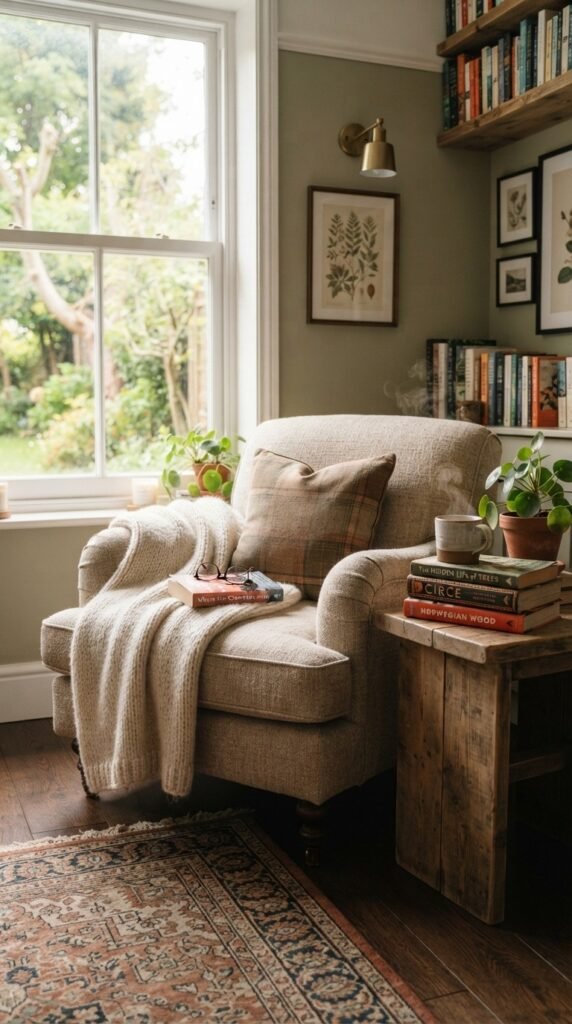
4. Stone Accent Pieces
Incorporate natural stone elements like marble, travertine, or limestone in countertops, tables, or decorative objects for timeless elegance.
Stone adds weight and permanence to a space, providing a cool, smooth surface that contrasts beautifully with soft textiles.
Choose stones with subtle veining or uniform colors to maintain a serene aesthetic that does not overwhelm the neutral palette.
Seal stone surfaces properly to protect them from spills and stains, ensuring they remain beautiful and functional for years.
Use stone coasters, trays, or vases as small accents if larger installations are not feasible, adding luxury in small doses.
This material brings an earthy sophistication that connects indoor spaces with the natural world, enhancing overall tranquility.
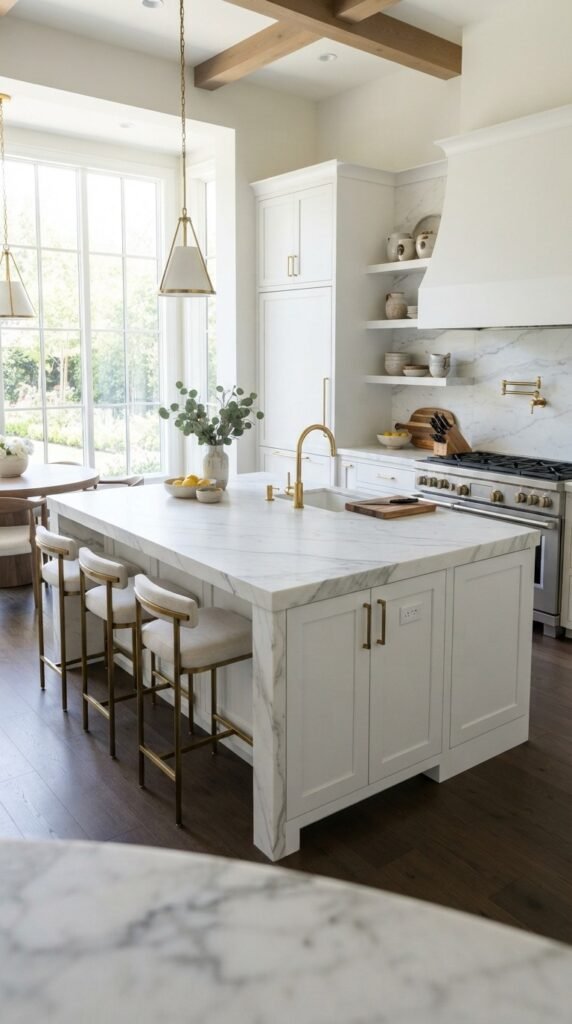
5. Layered Textile Rugs
Layer multiple rugs in neutral tones and varying textures to add depth, warmth, and visual interest to hard flooring surfaces.
Start with a large natural fiber rug like jute or sisal as a base, then top with a smaller wool or cotton rug for comfort.
Mix patterns subtly, such as stripes or geometrics in beige and cream, to create movement without disrupting the calm vibe.
Ensure rugs are secured with non-slip pads to prevent shifting and maintain safety for household members and guests.
This technique allows you to change the look of a room seasonally by swapping out the top rug for different textures.
Layering rugs defines specific zones within open-plan spaces, creating intimate areas for conversation or relaxation.
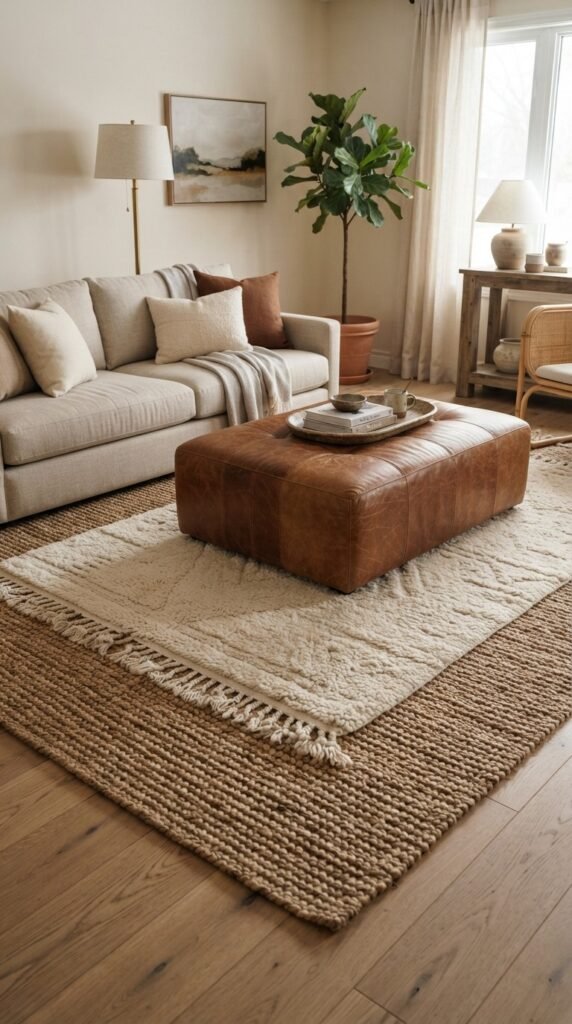
6. Minimalist Window Treatments
Hang simple, floor-length curtains in linen or cotton blends to frame windows elegantly while controlling light and privacy.
Choose neutral colors that match or slightly contrast with wall tones to create a seamless, elongated vertical line in the room.
Install curtain rods close to the ceiling to maximize the height of the windows and make rooms feel more spacious and grand.
Use sheer panels during the day to diffuse light softly, creating a dreamy, ethereal glow that enhances the neutral palette.
Opt for heavier drapes for nighttime privacy and insulation, ensuring they stack neatly to the sides when not in use.
Keep hardware simple and unobtrusive, such as brushed nickel or wood rods, to maintain the clean, understated aesthetic.
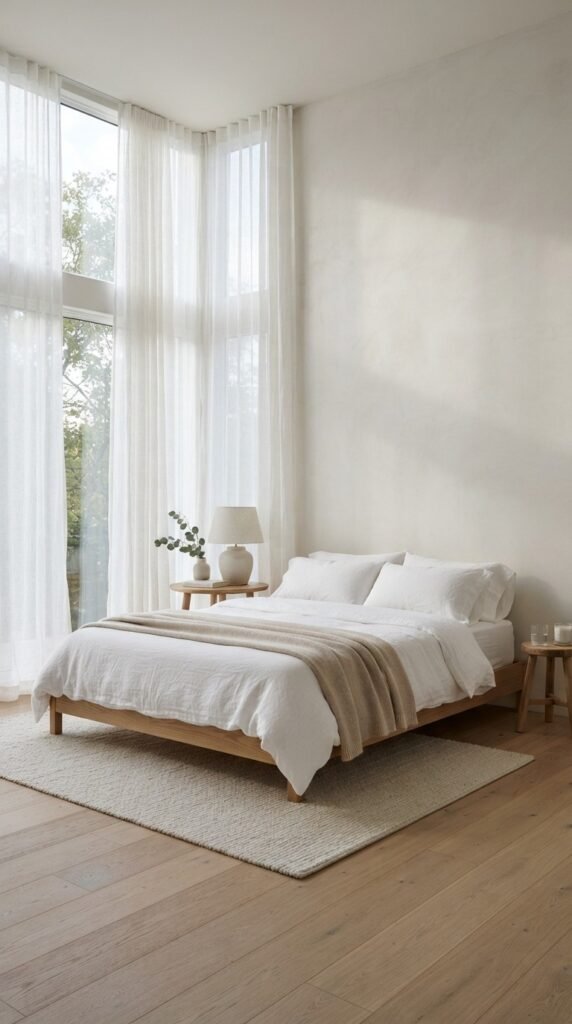
7. Ceramic and Pottery Decor
Display handmade ceramic vases, bowls, and sculptures in earthy tones to add artisanal charm and tactile variety to shelves.
Ceramics come in matte, glossy, or textured finishes, allowing you to mix and match pieces for a curated, collected look.
Choose shapes that are organic and imperfect to enhance the natural, wabi-sabi aesthetic that celebrates simplicity and authenticity.
Group ceramics of different heights and sizes together to create dynamic vignettes that draw the eye and add visual weight.
Use these items functionally for flowers or storage, or purely as decorative objects to fill empty spaces with quiet beauty.
Support local artisans by purchasing unique pieces, adding story and soul to your home decor collection over time.
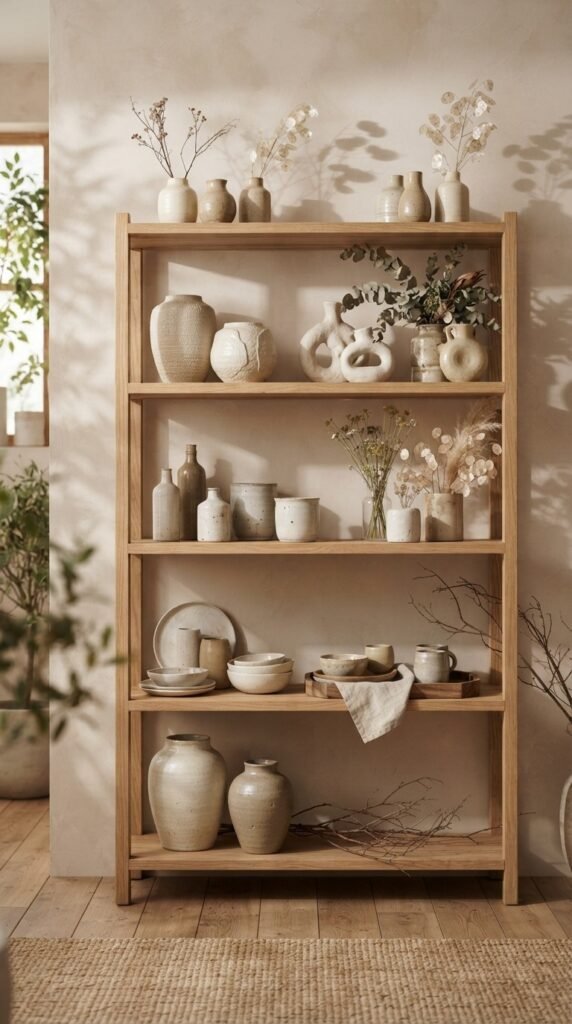
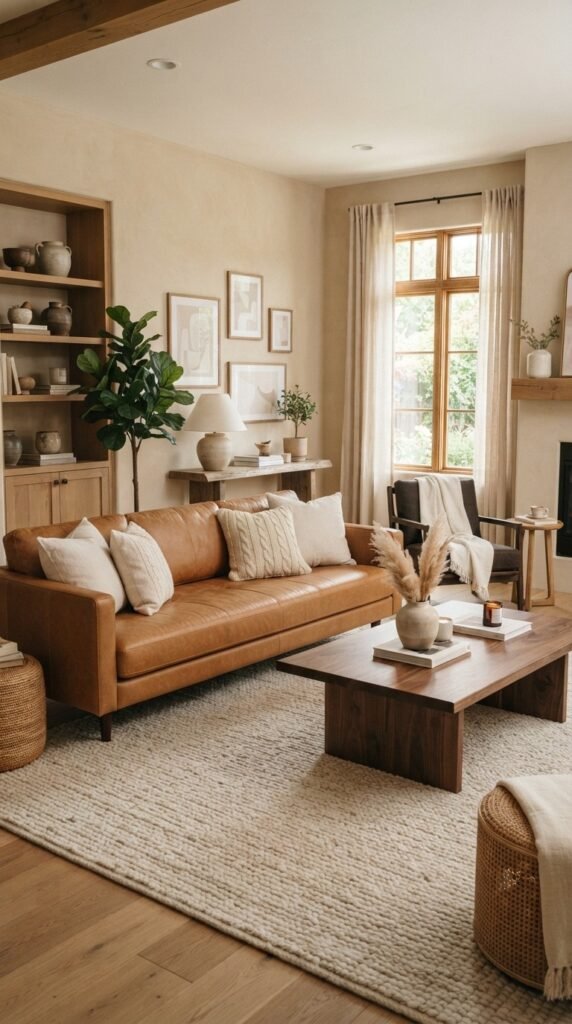
8. Soft Beige Color Palette
Build a color scheme around soft beige tones, ranging from sand to taupe, for a warm and inviting neutral foundation.
Beige is less stark than white and less heavy than brown, offering a balanced middle ground that feels cozy and refined.
Layer different shades of beige on walls, furniture, and accessories to create depth and prevent the space from feeling flat.
Pair beige with natural wood tones and green plants to bring life and warmth to the otherwise monochromatic environment.
This color reflects light well while hiding minor imperfections, making it a practical choice for high-traffic living areas.
Beige creates a soothing backdrop that promotes relaxation, making it ideal for bedrooms, living rooms, and study spaces.
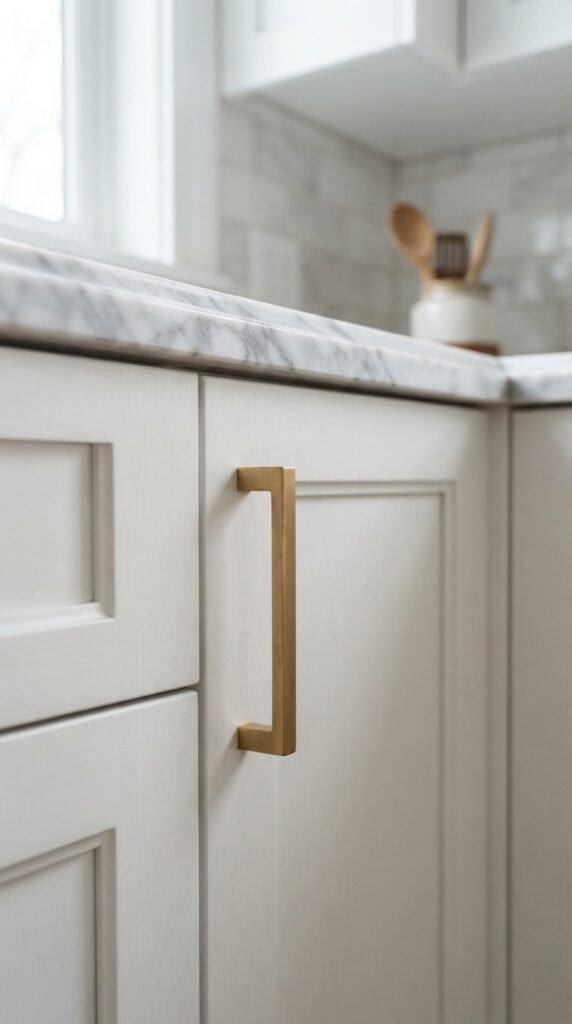
9. Brass Hardware Accents
Update cabinet knobs, drawer pulls, and door handles with brushed or polished brass to add subtle warmth and shine.
Brass complements neutral palettes perfectly, providing a metallic accent that feels luxurious without being overly flashy or loud.
Choose consistent finishes throughout a room to create a cohesive look that ties different elements together harmoniously.
Clean brass regularly to prevent tarnishing and maintain its luster, ensuring it continues to enhance the room’s elegance.
Mix brass with other natural materials like wood and stone for a balanced composition that feels grounded and sophisticated.
This small detail can significantly elevate the perceived value of cabinetry and furniture, adding a touch of custom refinement.
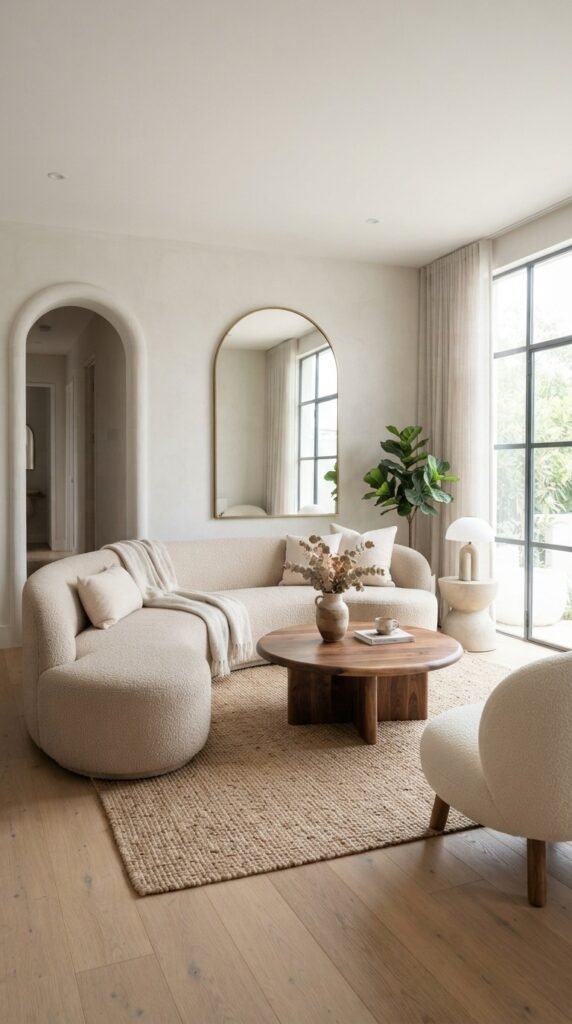
10. Organic Shape Furniture
Incorporate furniture with curved lines and organic shapes, such as round tables or arched chairs, to soften rigid architectural lines.
Curved forms create a sense of flow and movement, making spaces feel more welcoming and less structured or formal.
Choose pieces in neutral upholstery or natural wood to maintain the calming aesthetic while adding sculptural interest.
Place organic shapes in contrast to rectangular rooms to break up monotony and create visual focal points that draw attention.
Ensure there is adequate space around curved furniture to appreciate its form and allow for easy navigation through the room.
This trend adds a playful yet sophisticated touch that modernizes neutral spaces without relying on bold colors or patterns.
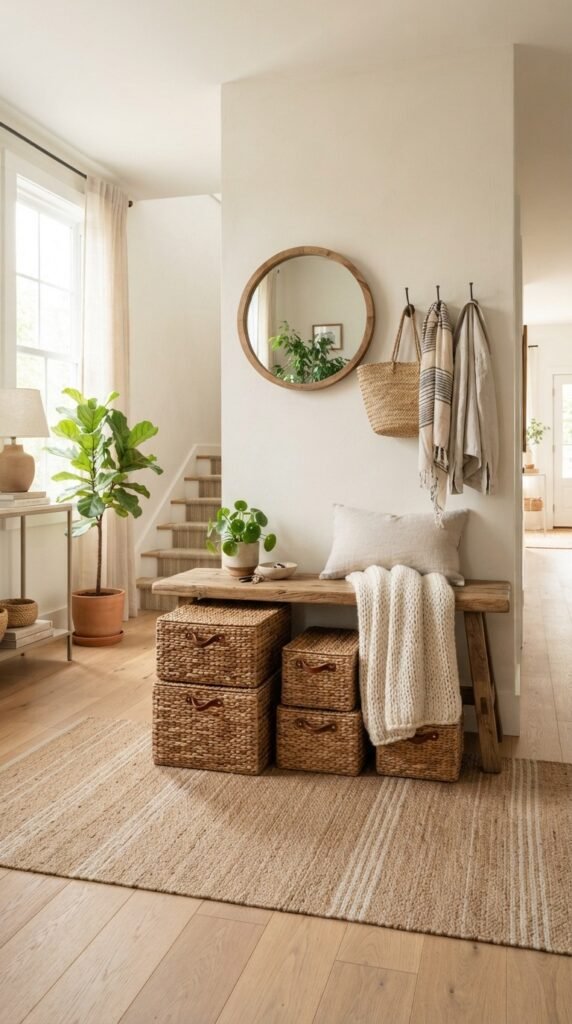
11. Woven Basket Storage
Use woven baskets made from seagrass, rattan, or wicker to store blankets, toys, or magazines in a stylish and functional way.
Baskets add natural texture and warmth to rooms, blending seamlessly with neutral decor while hiding everyday clutter effectively.
Choose baskets in varying sizes and shapes to fit different storage needs, from large floor bins to small shelf containers.
Line baskets with fabric for a softer look and to protect delicate items stored inside from rough natural fibers.
Place baskets under console tables, on open shelves, or in corners to maximize storage without sacrificing aesthetic appeal.
This solution promotes organization and tidiness, contributing to the overall sense of calm and order in your home.
12. Subtle Patterned Pillows
Add throw pillows with subtle patterns like stripes, checks, or tonal geometrics in neutral colors to introduce visual interest.
Patterns break up solid blocks of color on sofas and beds, adding depth and complexity without overwhelming the senses.
Choose high-quality fabrics like cotton, linen, or velvet to ensure pillows feel luxurious and hold their shape well over time.
Mix different pattern scales, combining large prints with small details, to create a balanced and sophisticated arrangement.
Rotate pillows seasonally to refresh the look of your furniture, keeping the space feeling current and engaging for residents.
Ensure pillow inserts are plump and supportive to maintain a polished, professional appearance that invites comfort.
13. Large Scale Artwork
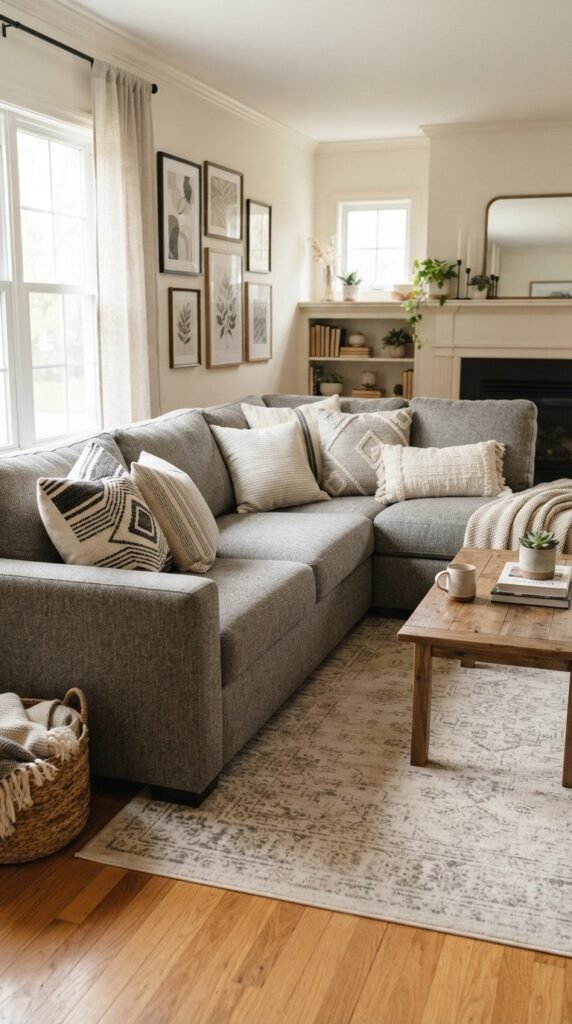
Hang one or two large pieces of abstract or landscape art in neutral tones to create a bold focal point on walls.
Large art anchors a room and prevents walls from looking sparse or unfinished, adding a sense of intention and scale.
Choose artwork with subtle textures or monochromatic palettes to complement the neutral decor without introducing chaos.
Frame art in simple black, white, or natural wood frames to keep the focus on the image rather than the border.
Hang art at eye level to ensure it is easily viewed and appreciated, creating a gallery-like feel in private spaces.
This element adds personality and sophistication, transforming blank walls into curated displays that reflect your taste.
14. Indoor Greenery Plants
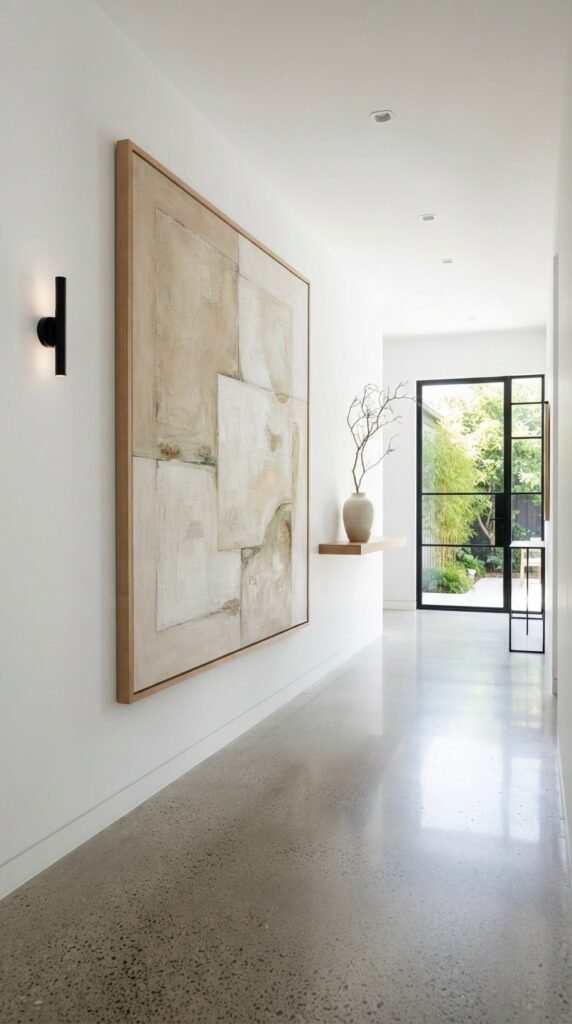
Introduce live plants like fiddle leaf figs, snake plants, or pothos to add life and color to neutral interiors naturally.
Green foliage provides a refreshing contrast to beige and white tones, bringing energy and vibrancy to static spaces.
Choose pots in ceramic, terracotta, or concrete that match the neutral palette to keep the look cohesive and streamlined.
Place plants in corners, on shelves, or near windows to utilize natural light and create vertical interest in rooms.
Care for plants regularly by watering and dusting leaves to ensure they remain healthy and visually appealing always.
Plants improve air quality and mood, making them a functional and beautiful addition to any home decor strategy.
15. Matte Black Fixtures
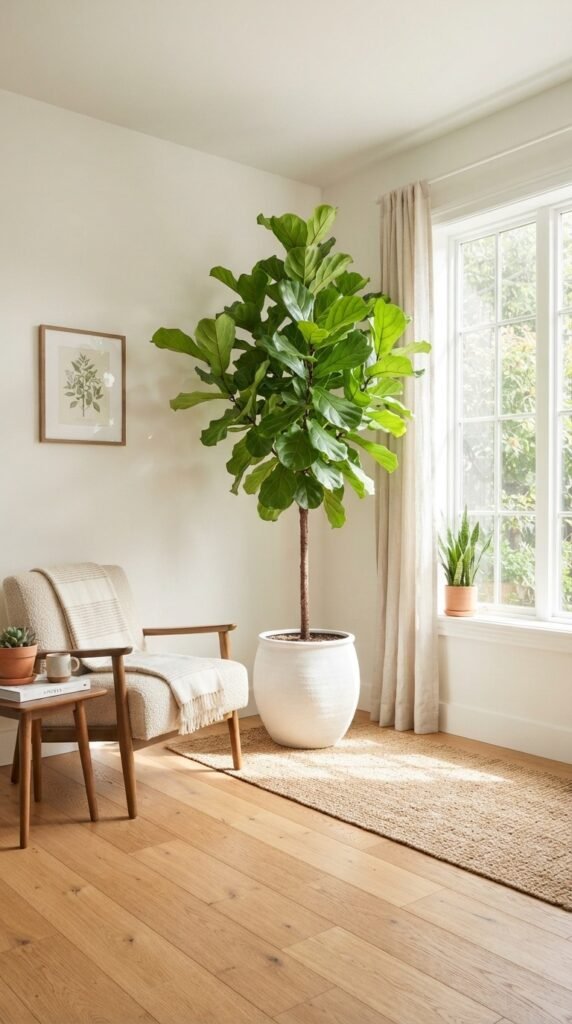
Incorporate matte black lighting, faucets, or hardware to add definition and modern contrast to soft neutral backgrounds.
Black accents ground a space, providing visual anchors that prevent light-colored rooms from feeling too floaty or undefined.
Use black sparingly in key areas like door handles, light fixtures, or frame edges to create a striking yet balanced look.
Matte finishes reduce glare and fingerprints, making black fixtures practical and easy to maintain in high-use areas.
Pair black with warm woods and whites for a classic combination that feels contemporary and timeless simultaneously.
This contrast adds sophistication and edge, elevating the overall design from simple to intentionally styled and chic.
16. Textured Wall Coverings
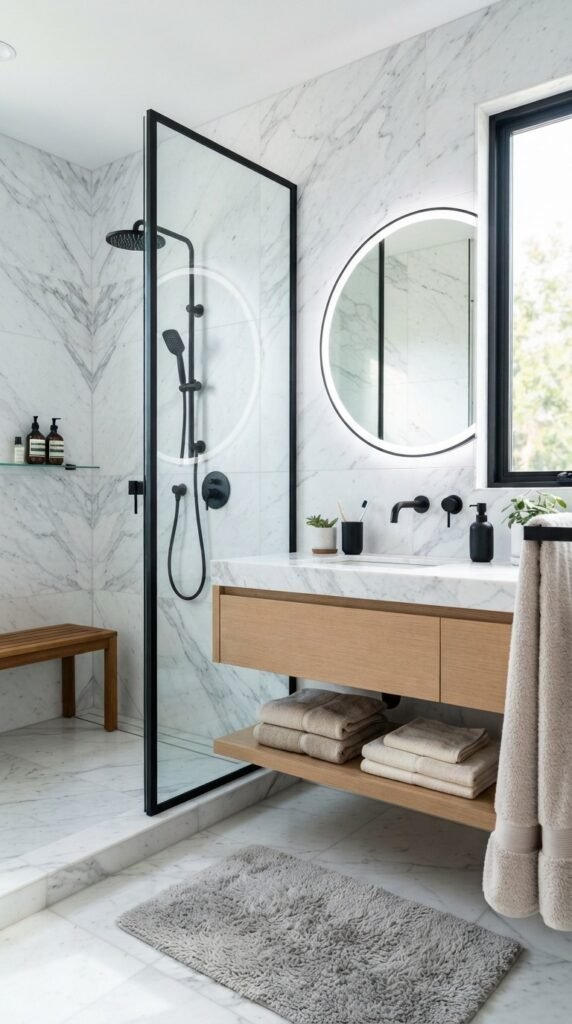
Apply grasscloth, linen wallpaper, or textured paint to walls to add depth and tactile interest to neutral spaces.
Textured walls catch light differently, creating subtle shadows and highlights that make surfaces feel more dynamic and rich.
Choose natural fiber wallpapers for an organic feel that complements wood and stone elements in the room effectively.
Paint walls with techniques like lime wash or Roman clay to achieve a soft, mottled finish that feels artisanal and unique.
Ensure textures are consistent with the room’s style, avoiding overly busy patterns that might clash with minimalist decor.
This upgrade adds a layer of luxury and complexity, making neutral walls feel custom and thoughtfully designed.
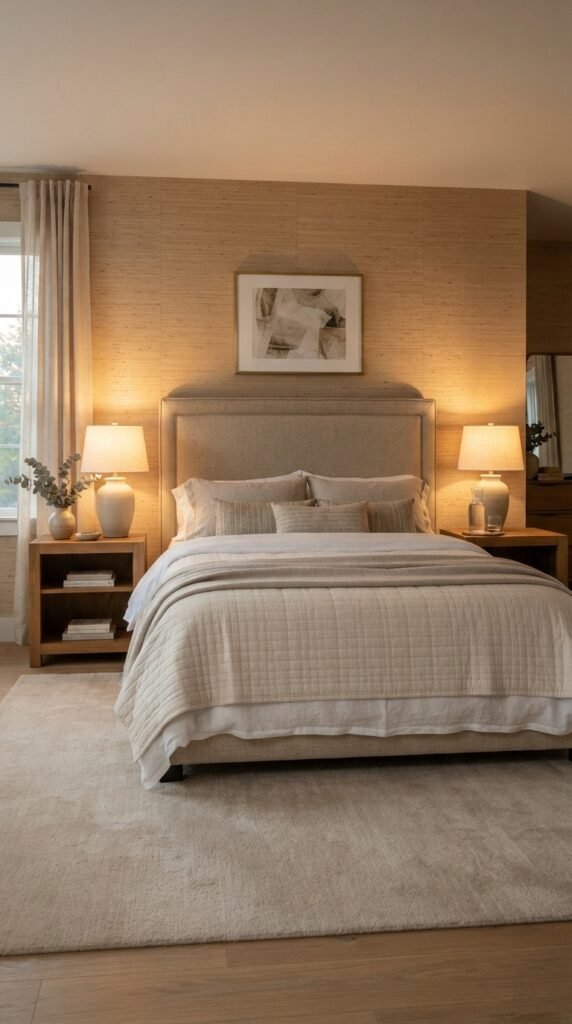
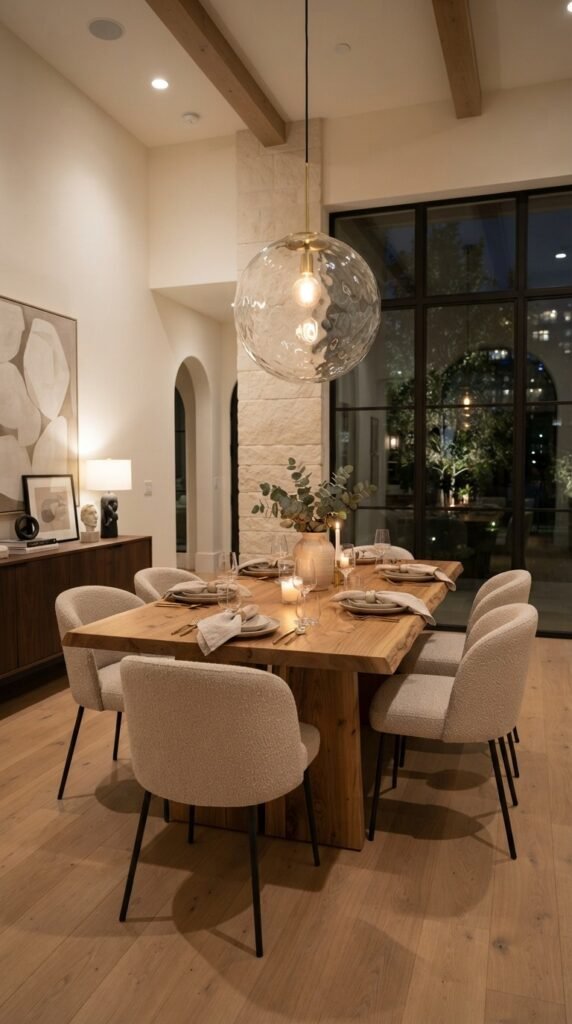
17. Sculptural Lighting
Choose lighting fixtures with unique shapes and forms, such as globe pendants or arc floor lamps, as artistic statements.
Sculptural lights serve as functional art, drawing attention and adding vertical interest to rooms with high or low ceilings.
Select fixtures in neutral materials like glass, ceramic, or metal to maintain the cohesive color scheme of the space.
Position lights to highlight specific areas or objects, creating pools of light that enhance the mood and functionality.
Ensure the scale of the lighting fits the room size, avoiding fixtures that are too small or overwhelmingly large.
This approach transforms everyday illumination into a design feature, adding elegance and personality to neutral interiors.
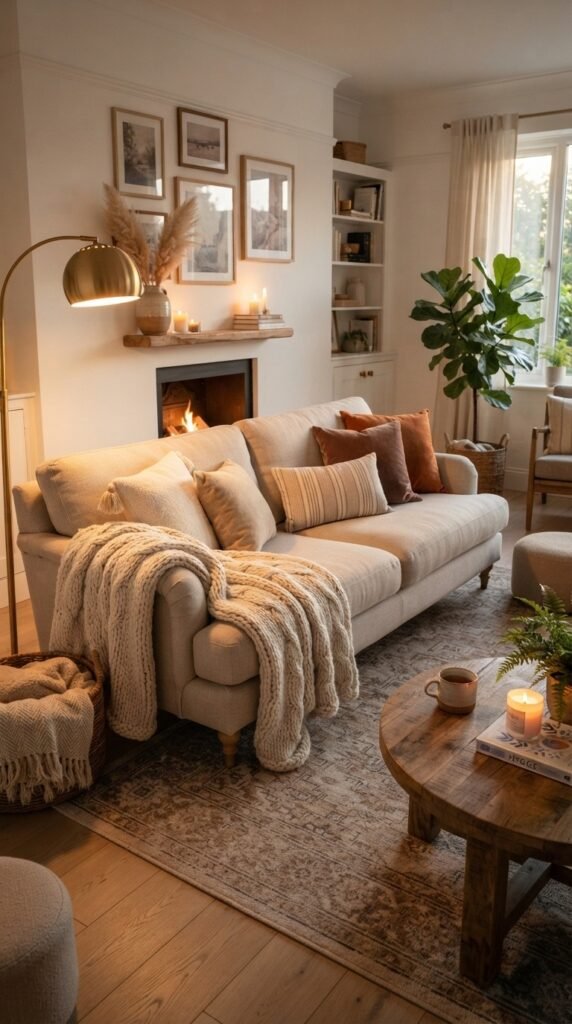
18. Cozy Throw Blankets
Drape high-quality throw blankets in wool, cashmere, or knit fabrics over sofas and chairs for added warmth and texture.
Throws invite relaxation and comfort, making seating areas feel more inviting and ready for use by family and guests.
Choose neutral colors like cream, gray, or camel to blend seamlessly with existing decor while adding a layer of softness.
Fold or drape blankets casually to create a lived-in, effortless look that suggests comfort and ease in the home.
Store extra throws in baskets or on shelves for easy access and to keep the space tidy when not in immediate use.
This simple accessory adds significant visual and tactile value, enhancing the cozy atmosphere of any neutral room.
Creating a neutral home is about more than just choosing beige; it is about curating a space that feels balanced and serene. By focusing on texture, light, and quality materials, you build a foundation that remains stylish regardless of passing trends. These eighteen ideas offer practical ways to infuse warmth and personality into a calm color palette. Remember that neutrality provides the perfect canvas for your life to unfold comfortably and beautifully. Embrace the simplicity and let your home become a true refuge from the busy world outside. Your timeless sanctuary awaits your personal touch.