18 Japandi Home Decor Ideas 2026 That Blend Minimalism And Warmth
Welcome to a space where clean lines meet cozy textures in perfect harmony.
Japandi style blends Japanese minimalism with Scandinavian warmth seamlessly.
This design philosophy creates homes that feel both calm and inviting always.
You will discover how natural materials bring life to simple, uncluttered rooms.
Each idea offers a practical way to transform your living space gently.
Let us explore eighteen ways to achieve this balanced, serene aesthetic today.
1. Light Wood Flooring as a Foundation
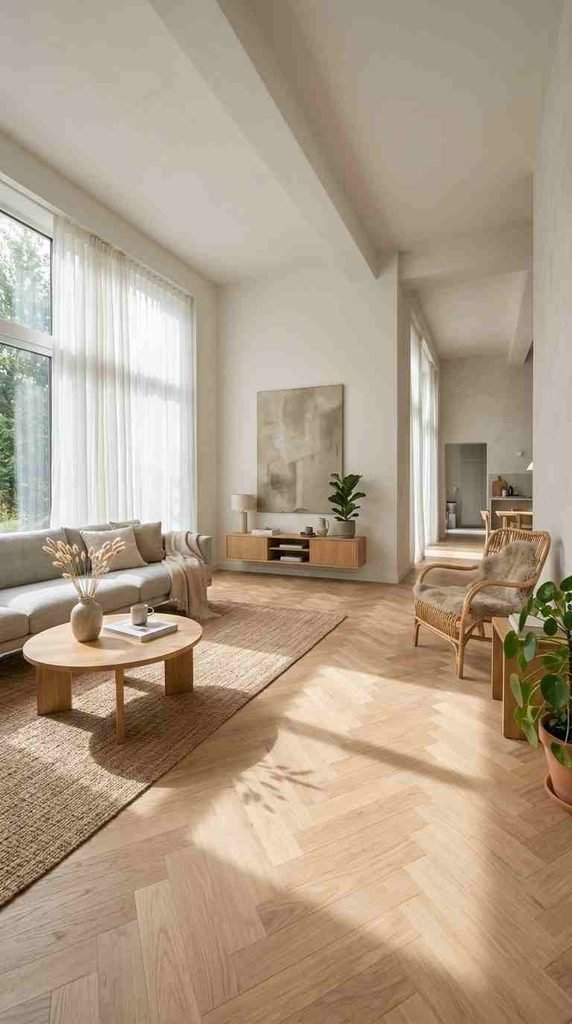
The foundation of any Japandi home is light-toned wood flooring. Oak or ash planks provide a bright, airy base that reflects natural light throughout the day. This choice keeps the space feeling open while adding organic texture underfoot. Avoid dark stains; instead, opt for matte finishes that highlight the natural grain. The warmth of the wood balances the coolness of minimalist white walls, creating a grounded yet elevated atmosphere.
2. Neutral Color Palettes with Earthy Accents
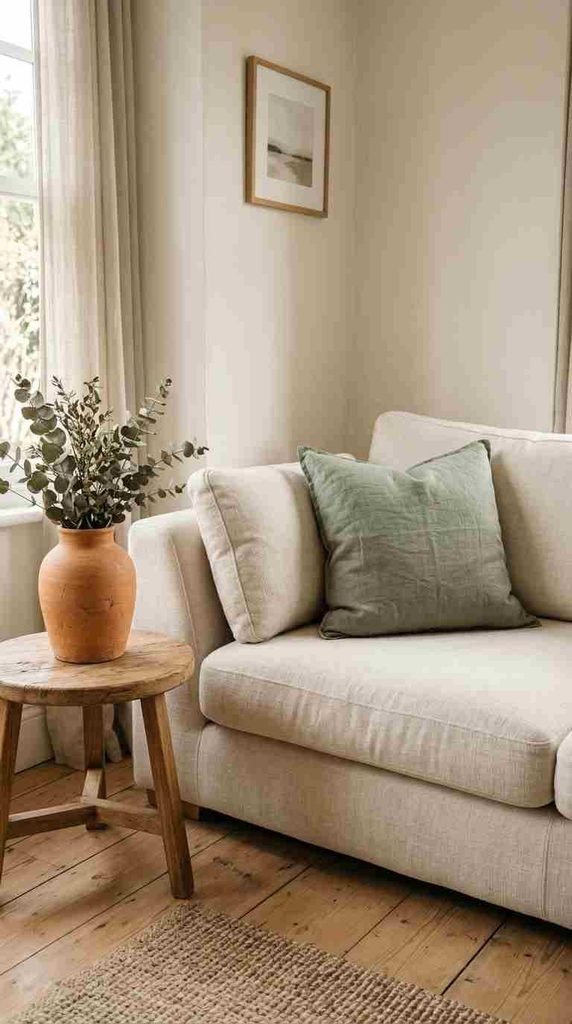
Stick to a base of whites, creams, and soft grays to maintain serenity. Introduce earthy accents like terracotta, sage green, or muted clay to add depth without clutter. These colors mimic nature and prevent the space from feeling sterile. Use them in small doses through cushions, vases, or artwork. The goal is to create a soothing backdrop that allows furniture and textures to shine without competing for attention.
3. Low-Profile Furniture for Openness
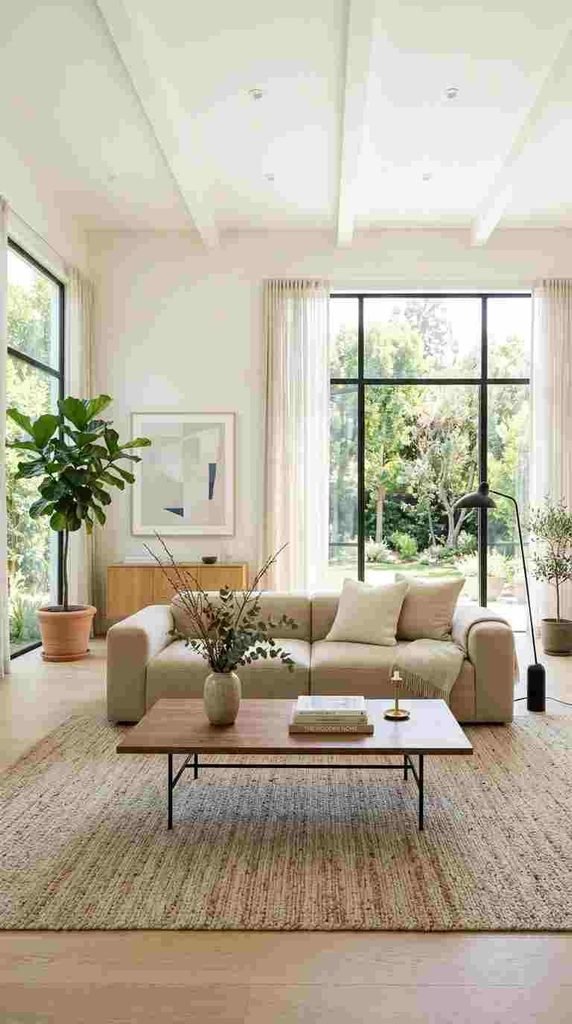
Choose furniture that sits low to the ground to enhance the sense of space. Low sofas, platform beds, and minimalist coffee tables keep sightlines clear. This approach draws inspiration from traditional Japanese seating while maintaining Scandinavian comfort. Ensure pieces have clean lines and lack ornate detailing. The reduced visual weight makes rooms feel larger and more breathable, encouraging a relaxed posture and mindset.
4. Natural Fiber Textiles for Warmth
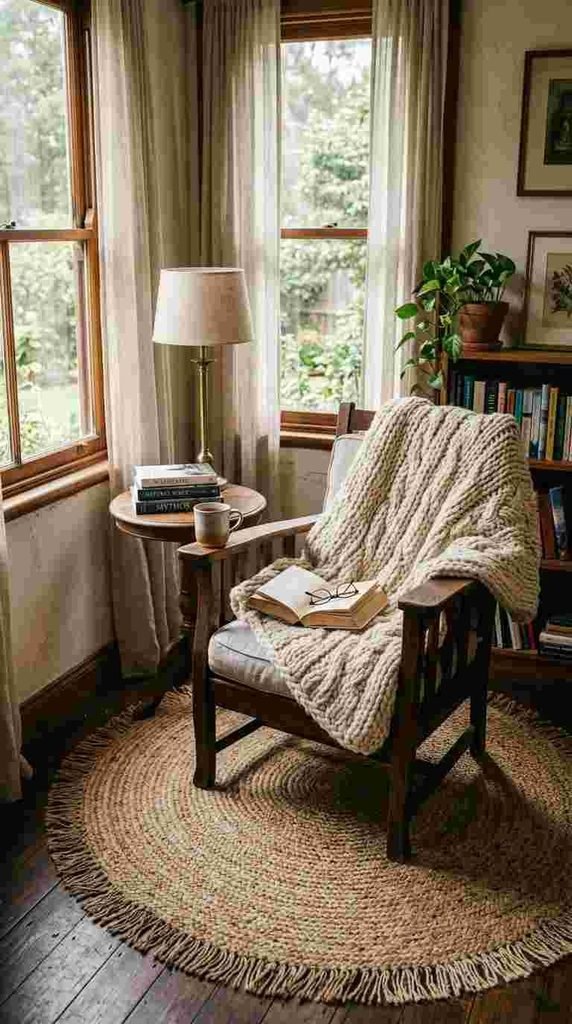
Layer rugs, throws, and cushions made from wool, cotton, jute, or linen. These natural fibers add tactile warmth and soften the hard edges of minimalist design. A chunky knit throw over a smooth leather chair creates a delightful contrast. Jute rugs define spaces without overwhelming them. The key is to mix textures subtly, ensuring each piece feels authentic and handcrafted rather than mass-produced.
5. Strategic Use of Negative Space
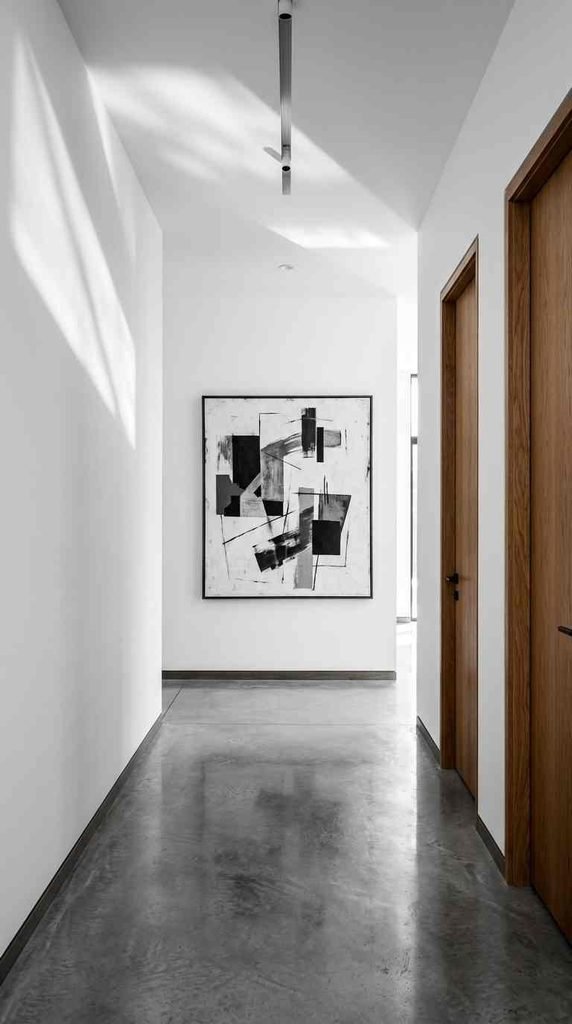
Embrace empty areas as intentional design elements rather than voids to fill. Leave walls bare or hang only one significant piece of art. Keep surfaces clear of unnecessary objects to allow the eye to rest. This practice reduces visual noise and promotes mental clarity. Negative space highlights the beauty of the few items you do choose to display, making them feel more special and curated.
6. Indoor Plants for Organic Life
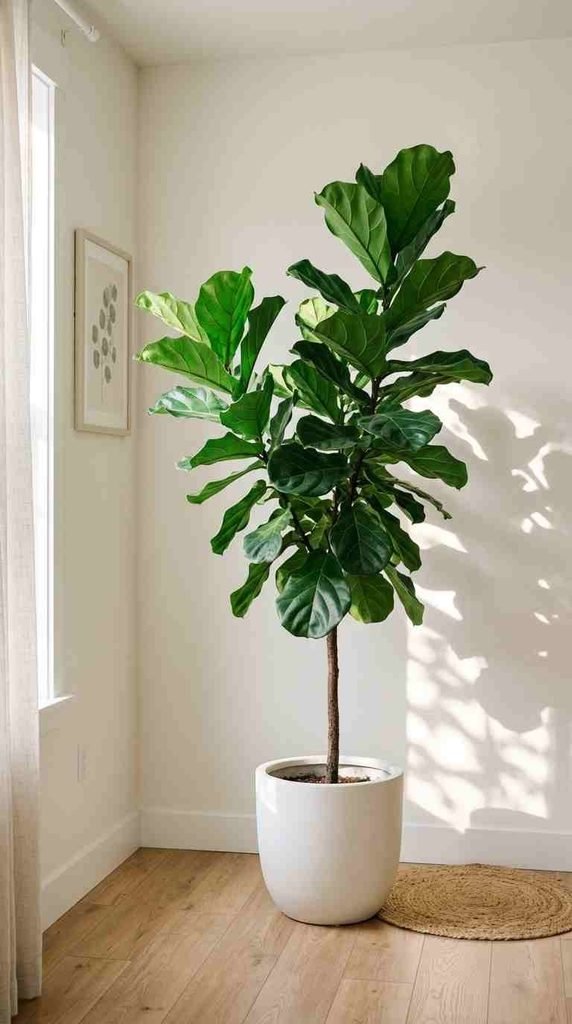
Bring the outdoors in with carefully selected greenery. Choose plants with sculptural shapes like fiddle leaf figs, snake plants, or bonsai trees. Place them in simple ceramic or terracotta pots to maintain the aesthetic. Plants add vitality and improve air quality, bridging the gap between indoor comfort and nature. Avoid overcrowding; let each plant stand as a living sculpture within the room.
7. Handcrafted Ceramics and Pottery
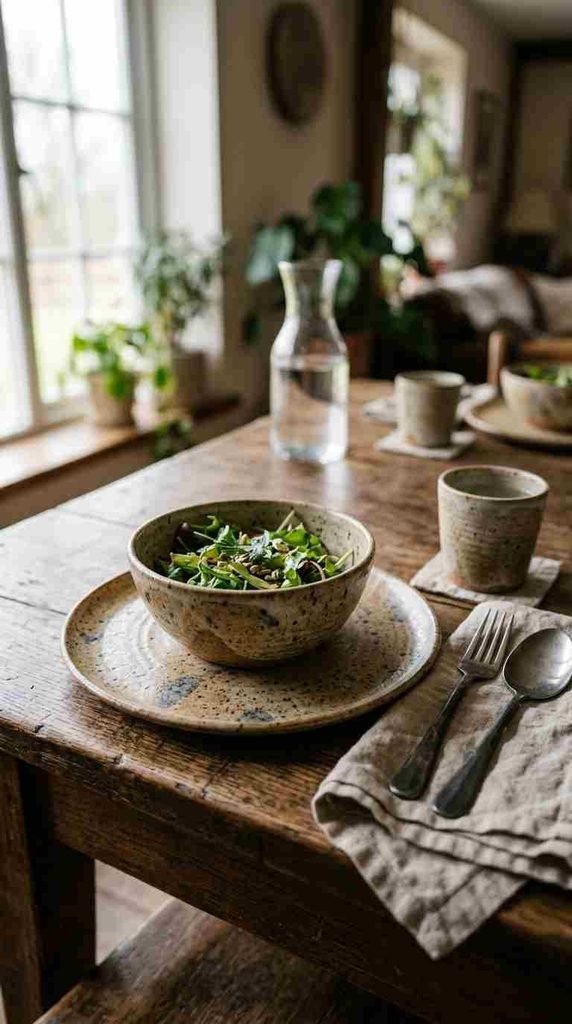
Display handmade ceramics to add soul and imperfection to the space. Look for pieces with irregular shapes, subtle glazes, or visible thumbprints. Use them as vases, bowls, or standalone decorative objects. These items celebrate wabi-sabi, the beauty of imperfection. Their organic forms contrast beautifully with the straight lines of modern furniture, adding a human touch to the minimalist environment.
8. Paper Lanterns for Soft Lighting
Replace harsh overhead lights with paper lanterns or rice paper shades. These fixtures diffuse light softly, creating a warm, ambient glow. They are lightweight and visually unobtrusive, fitting perfectly into the Japandi ethos. Use floor lamps with paper shades in corners to add depth. The gentle illumination encourages relaxation and mimics the softness of natural daylight during evening hours.
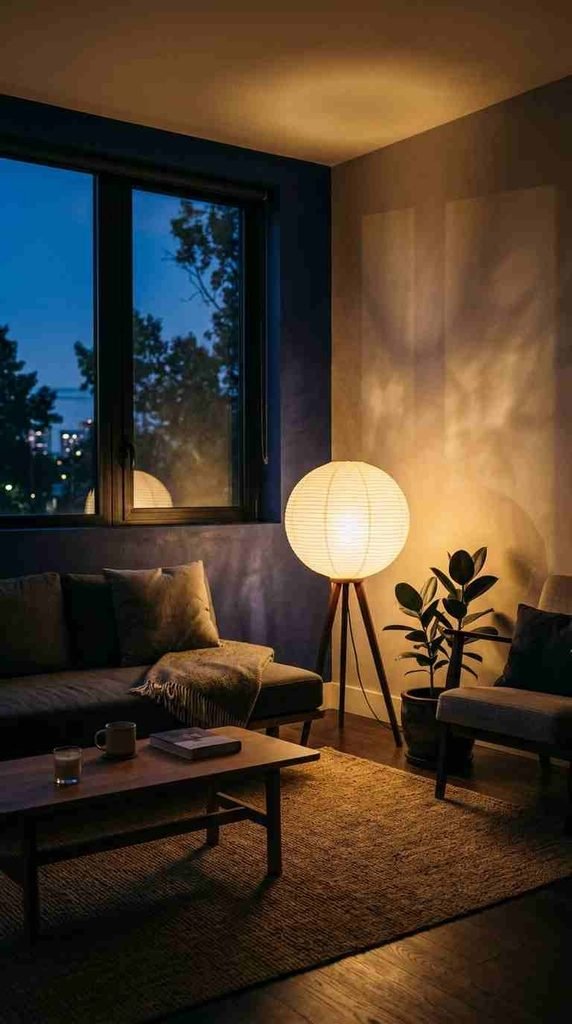
9. Functional Storage with Clean Lines
Clutter is the enemy of minimalism, so prioritize smart storage solutions. Choose cabinets and shelves with hidden compartments or closed doors. Maintain clean lines by avoiding visible handles or using recessed pulls. Store everyday items out of sight to keep surfaces pristine. Open shelving can be used sparingly for displaying beautiful objects, but keep it organized and sparse to maintain visual calm.
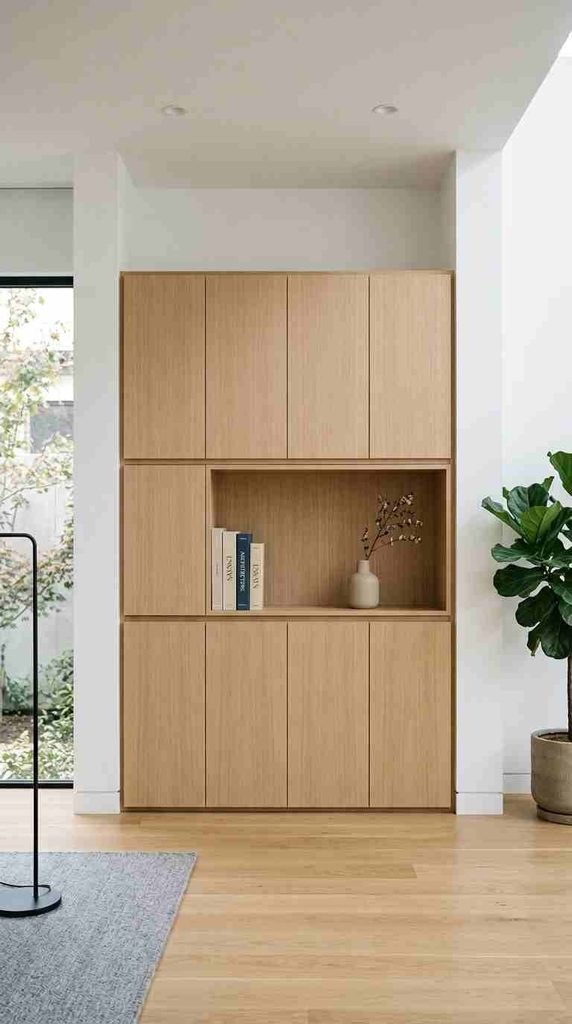
10. Sliding Doors for Fluid Spaces
Incorporate sliding doors, such as shoji screens or barn-style wooden doors, to separate rooms. These save space compared to swinging doors and add architectural interest. Shoji screens allow light to filter through while providing privacy. Wooden sliding doors add warmth and texture. This feature enhances the flow between spaces, making the home feel interconnected and adaptable to different needs.
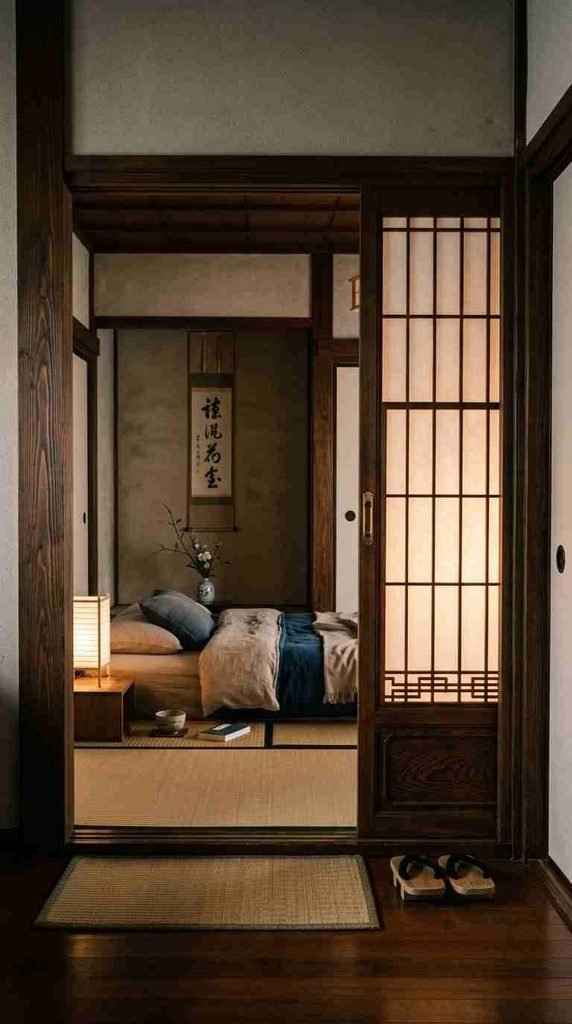
11. Monochromatic Bedding Layers
Create a restful sanctuary with bedding in varying shades of white, beige, or gray. Layer different textures like crisp cotton sheets, a linen duvet cover, and a wool throw. This monochromatic approach looks sophisticated and calming. Avoid busy patterns or bright colors that disrupt sleep hygiene. The focus should be on comfort and tactile pleasure, inviting you to unwind completely at the end of the day.
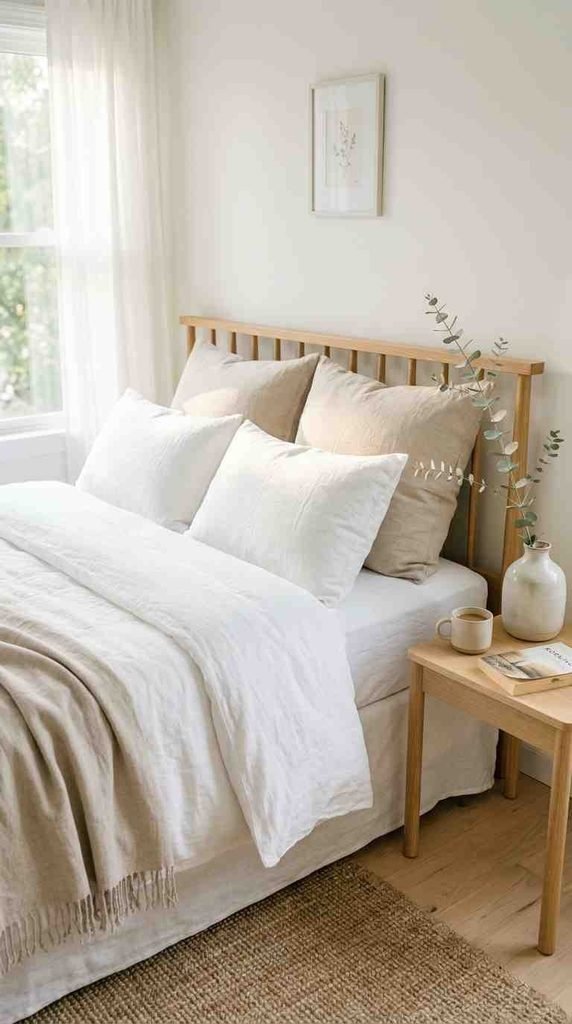
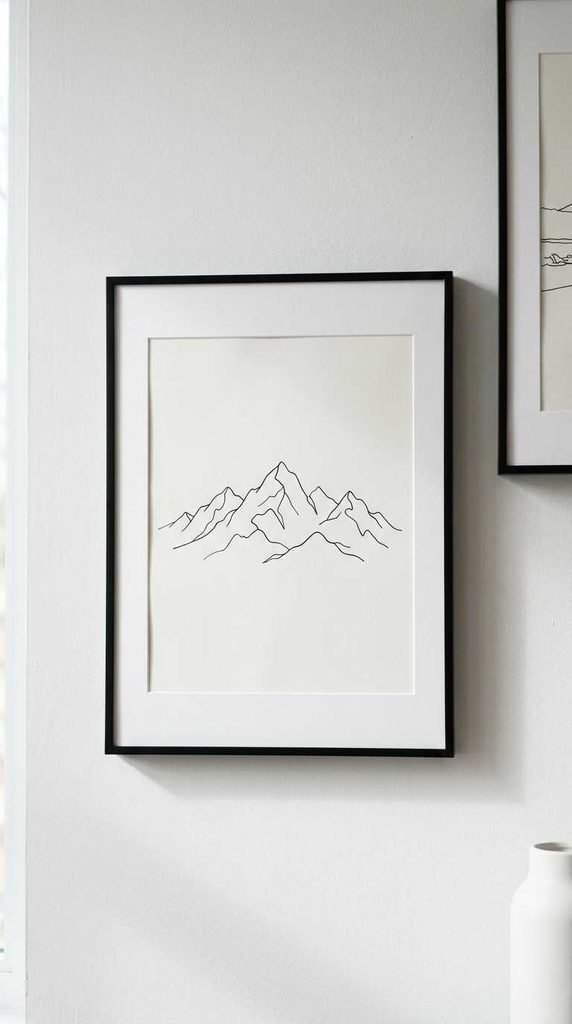
12. Minimalist Wall Art
Select artwork that is simple, abstract, or nature-inspired. Black-and-white photography, line drawings, or textured canvas pieces work well. Frame them in thin, light wood or black frames to keep the look streamlined. Hang art at eye level and leave plenty of breathing room around it. The art should complement the space without dominating it, serving as a quiet focal point.
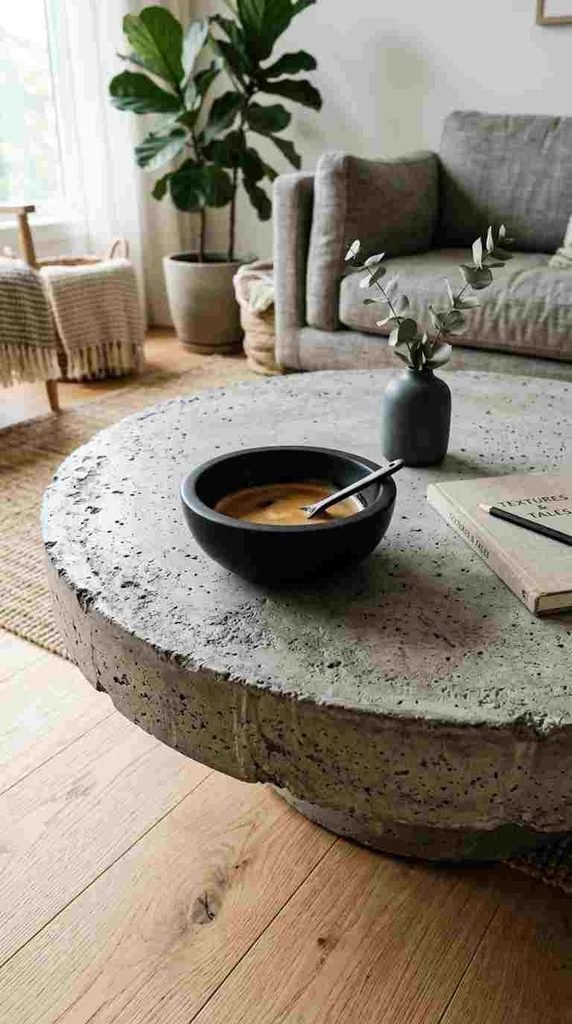
13. Stone and Concrete Accents
Introduce raw materials like stone or concrete for contrast. A concrete side table, stone coaster set, or marble countertop adds weight and permanence. These materials ground the lightness of wood and fabric. Keep the forms simple and geometric. The coolness of stone balances the warmth of wood, creating a dynamic yet harmonious material palette that feels both modern and timeless.
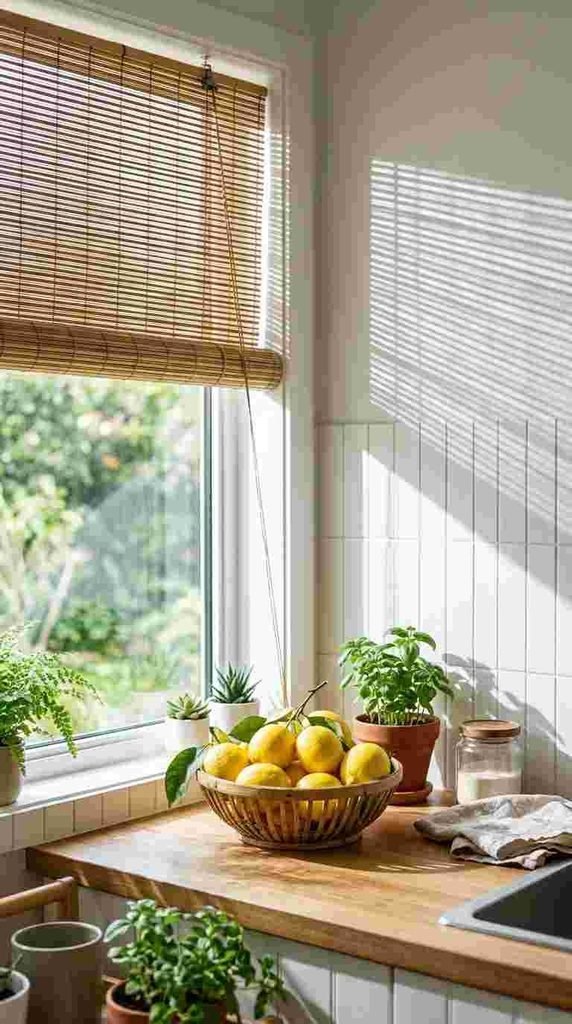
14. Bamboo Elements for Sustainability
Use bamboo for accessories, blinds, or small furniture pieces. It is sustainable, lightweight, and visually warm. Bamboo blinds filter light beautifully, creating soft stripes on walls. Bowls, trays, or utensil holders made from bamboo add an eco-friendly touch. Its rapid growth and durability align with the conscious consumption values often associated with Japandi design.
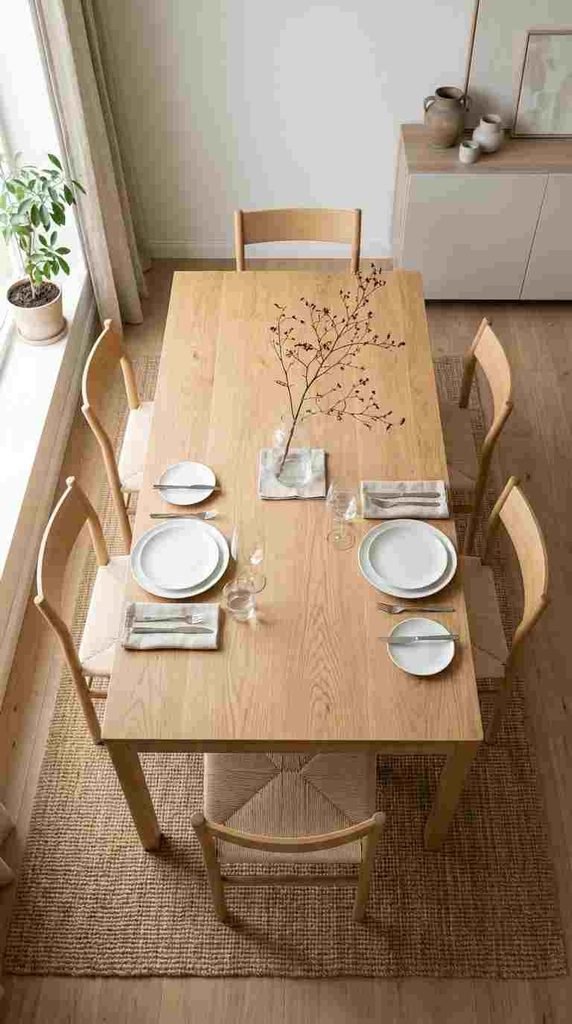
15. Simple Wooden Dining Sets
Choose a dining table and chairs made from solid, light wood. Keep the design straightforward with straight legs and no intricate carvings. Pair with cushioned seats for comfort if desired. The dining area should feel welcoming but uncluttered. A simple centerpiece, like a single branch in a vase, completes the look. This setup encourages mindful eating and meaningful conversation.
16. Mirrors to Amplify Light
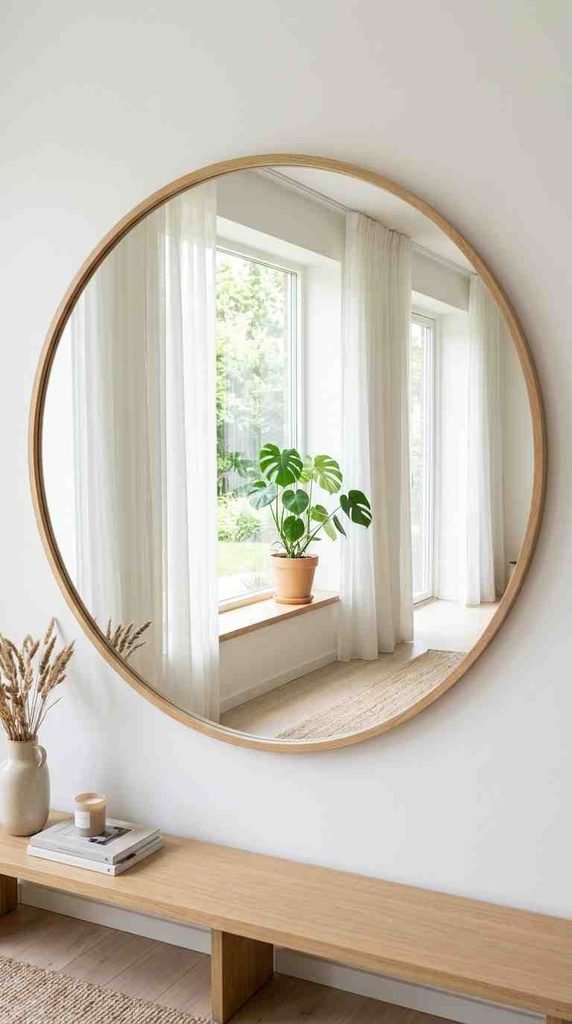
Strategically place mirrors to reflect natural light and expand the sense of space. Choose frames in light wood or simple metal finishes. Large floor mirrors or circular wall mirrors work best. Position them opposite windows to bounce light around the room. This trick makes small spaces feel larger and brighter, enhancing the airy quality essential to Japandi interiors.
17. Woven Baskets for Hidden Storage
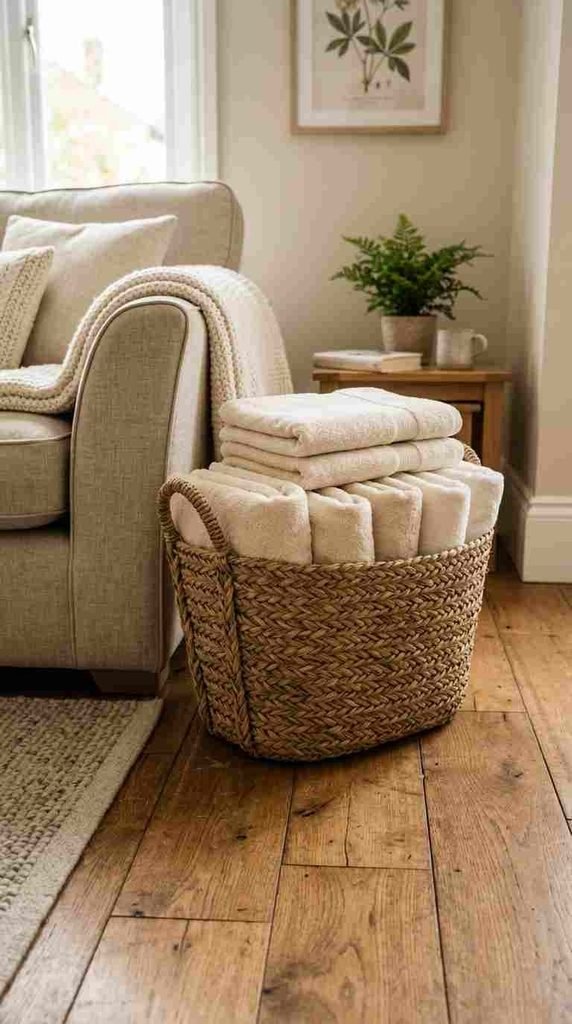
Use woven baskets to store blankets, toys, or magazines discreetly. Natural materials like seagrass or rattan add texture and warmth. They are functional yet decorative, fitting seamlessly into the aesthetic. Place them under consoles or beside sofas. This solution keeps clutter hidden while adding an organic element that softens the overall look of the room.
18. Quiet Reading Corners
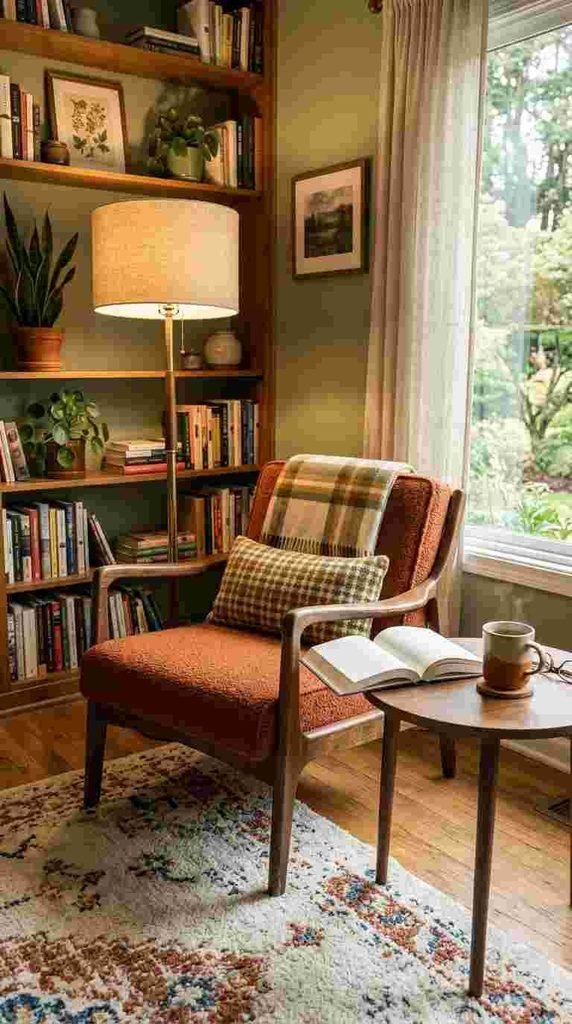
Dedicate a small area for reading and reflection. Include a comfortable chair, a small side table, and good lighting. Add a soft rug and a throw for coziness. Keep the surroundings minimal to reduce distractions. This personal retreat embodies the Japandi spirit of mindfulness and comfort. It serves as a sanctuary within the home for slowing down and enjoying solitude.
Conclusion
Embracing Japandi decor is about finding balance between simplicity and comfort. It invites you to curate your space with intention, choosing quality over quantity. By blending natural materials, neutral tones, and functional design, you create a home that nurtures well-being. These eighteen ideas offer a roadmap to transforming your living environment into a serene sanctuary. Start with small changes, and let the calmness of Japandi style gradually unfold in your daily life.