
23 Fall Decor Ideas for Bedroom 2026 That Feel Warm & Inviting
Welcome to our cozy corner where autumn inspiration meets bedroom comfort and style.
We believe your sleeping space should feel like a warm hug during crisp fall evenings.
This guide shares twenty-three simple decor ideas to transform your room instantly.
Each suggestion focuses on texture, color, and lighting to create an inviting atmosphere.
You will discover practical tips that blend seasonal charm with everyday functionality.
Let us dive into these beautiful concepts and bring the magic of fall indoors today.
1. Layered Linen Bedding in Earth Tones
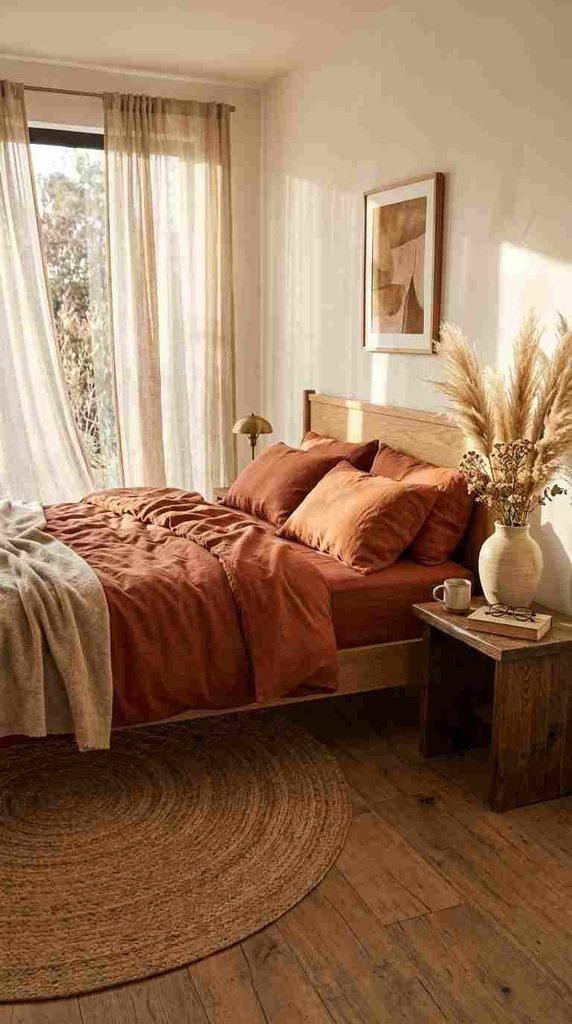
Start your fall refresh by swapping out summer sheets for breathable linen in terracotta, sage, or oatmeal hues. Linen naturally regulates temperature, keeping you cool when the afternoon sun lingers and warm as nights grow chilly. The slightly wrinkled texture adds effortless elegance and a lived-in softness that synthetic fabrics simply cannot replicate. Pair a duvet cover with matching shams and add a lightweight quilt at the foot of the bed for visual depth and extra warmth on cooler mornings. This foundational layer sets the tone for every other decorative element in the room.
2. Chunky Knit Throw Blankets
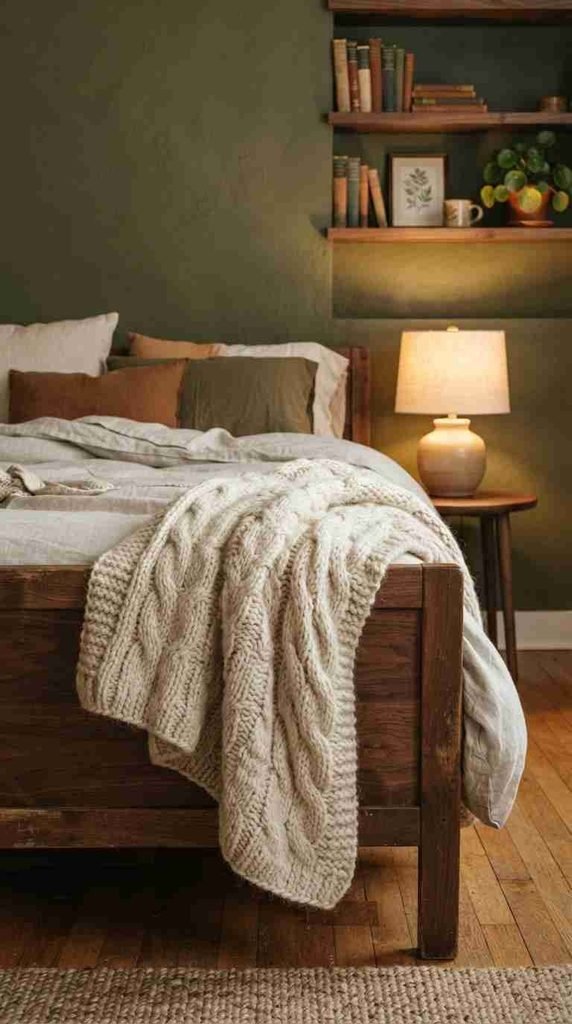
Drape a substantial cable-knit or waffle-weave throw across the end of your bed or over a reading chair to introduce instant tactile comfort. Choose yarns in cream, rust, or charcoal to complement your existing palette while adding visual weight against lighter walls. The three-dimensional texture catches light beautifully throughout the day, creating dynamic shadows that make the space feel alive rather than static. Beyond aesthetics, having a dedicated throw invites spontaneous moments of relaxation, encouraging you to pause and unwind with a book or cup of tea before sleep.
3. Warm Ambient Lighting with Amber Bulbs
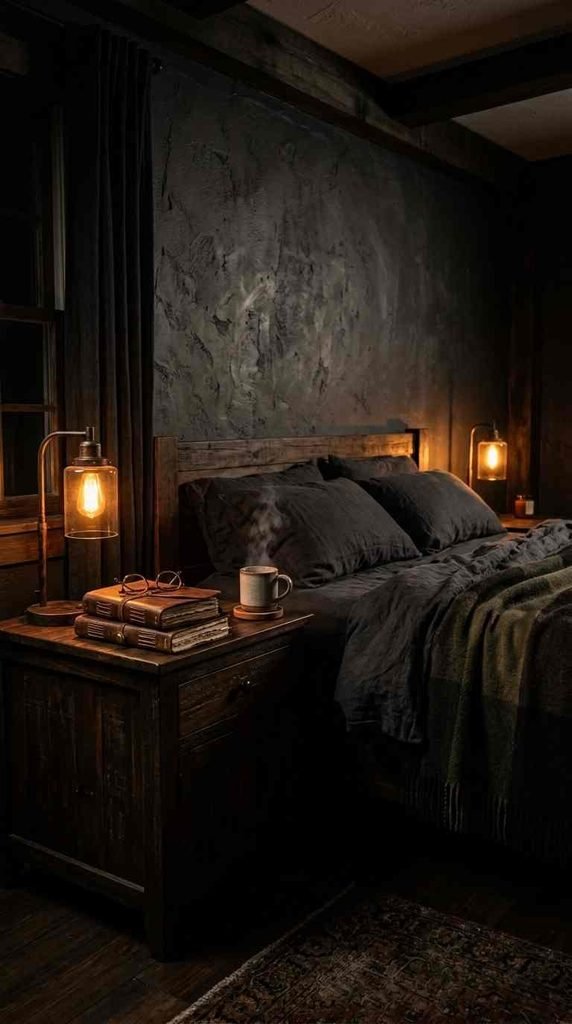
Replace harsh white overhead lights with amber-toned LED bulbs in bedside lamps, sconces, and floor fixtures to mimic the golden quality of autumn sunlight. Lower color temperatures around 2200K signal to your brain that it is time to wind down, supporting healthier sleep cycles as daylight hours shorten. Consider installing dimmer switches so you can adjust brightness based on mood and activity, from bright enough for reading to barely-there glow for nighttime navigation. This single change transforms the emotional temperature of the entire room without requiring any new furniture or paint.
4. Natural Wood Accent Pieces
Introduce organic warmth through wooden trays, bowls, picture frames, or small furniture pieces in walnut, cherry, or reclaimed pine finishes. Wood grain patterns carry inherent movement and character that ground synthetic textiles and prevent the room from feeling overly curated or sterile. Opt for items with visible knots, live edges, or hand-carved details that celebrate imperfection and connect your indoor sanctuary to the changing landscape outside. These elements age gracefully over time, developing patina that tells a story and deepens the sense of comfort with each passing season.

5. Velvet Pillow Accents
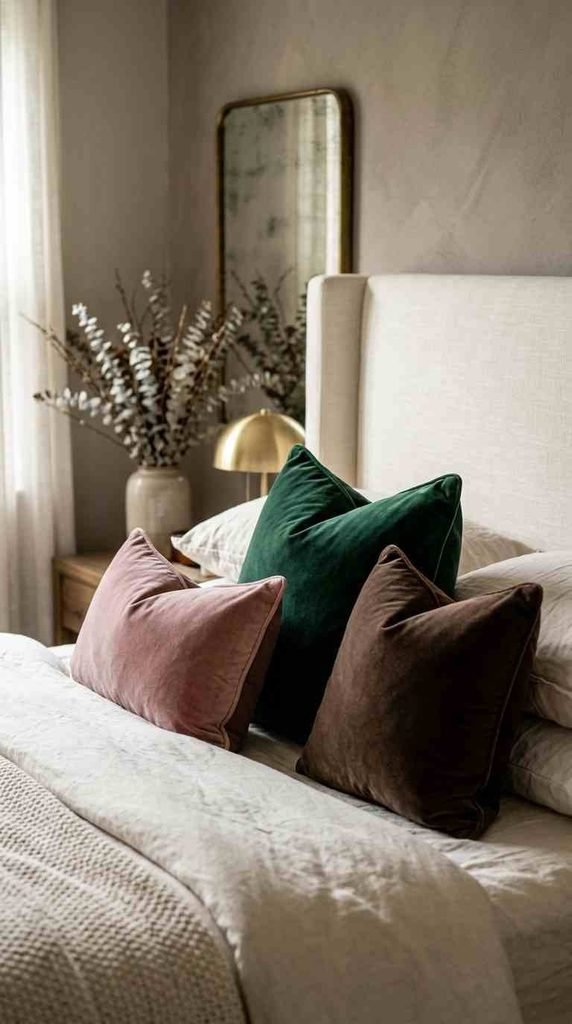
Add richness and luxury with velvet throw pillows in jewel tones like burgundy, forest green, or burnt sienna that reflect light differently than matte fabrics. The plush pile creates a sensory contrast against crisp cotton sheets and nubby knits, making the bed visually irresistible and physically comforting to lean against. Mix sizes and shapes—lumbar, square, and bolster—to build a layered arrangement that feels collected rather than matched. Velvet also absorbs sound subtly, contributing to the hushed, intimate acoustic quality that defines truly restful bedroom environments.
6. Dried Botanical Arrangements
Bring the outdoors inside with low-maintenance dried flowers, branches, or seed pods that last all season without water or wilting concerns. Pampas grass, bunny tails, wheat stalks, and preserved eucalyptus offer sculptural silhouettes and neutral textures that bridge summer freshness and winter minimalism. Arrange them in stoneware crocks, glass apothecary jars, or woven baskets to vary heights and create focal points on dressers, mantels, or windowsills. Unlike fresh blooms, dried botanicals develop a softer, more muted appearance over time that harmonizes perfectly with fall’s contemplative energy.
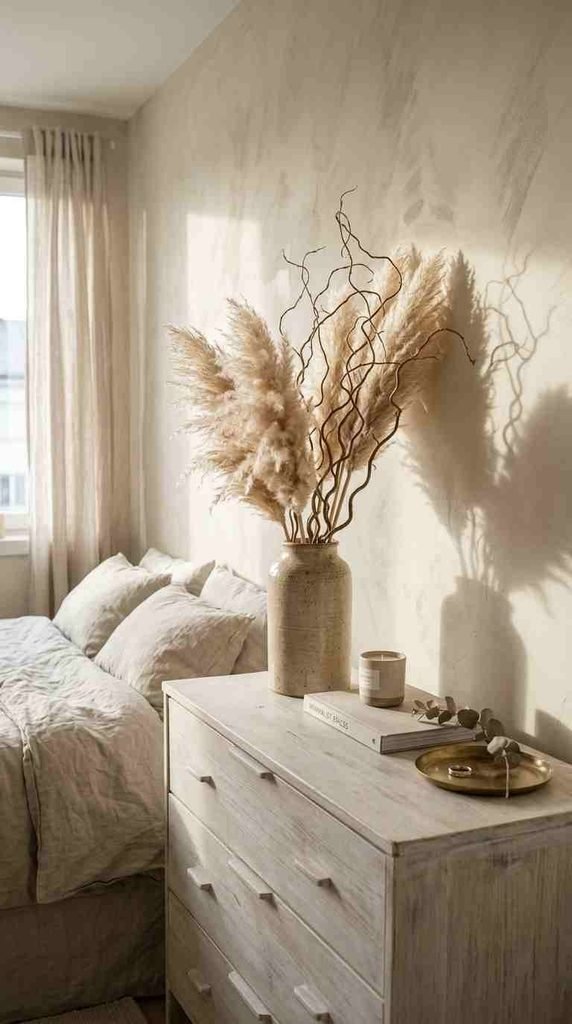
7. Scented Candles with Seasonal Notes
Engage the sense of smell with soy or beeswax candles infused with cinnamon, cedarwood, vanilla, or spiced apple to evoke nostalgic autumn memories. Place them safely on heat-resistant surfaces away from bedding and curtains, opting for wider vessels that burn evenly and release fragrance gradually throughout the evening. The flickering flame provides secondary ambient lighting that dances across walls, reinforcing the cocoon-like intimacy essential for restorative sleep. Rotate scents weekly to prevent olfactory fatigue and keep the sensory experience fresh and intentional rather than automatic.

8. Woven Wall Hangings or Tapestries
Softening hard wall surfaces with textile art introduces vertical interest and acoustic dampening that makes bedrooms feel quieter and more enclosed. Macramé, tufted wool, or batik fabric pieces in earthy palettes add artisanal character and break up large expanses of paint or wallpaper. Hang above the headboard as an alternative to traditional artwork, or flanking a window to frame natural light with organic texture. These pieces absorb echoes from hard floors and furniture, creating a sonically buffered environment that supports deeper relaxation and mental decompression after busy days.
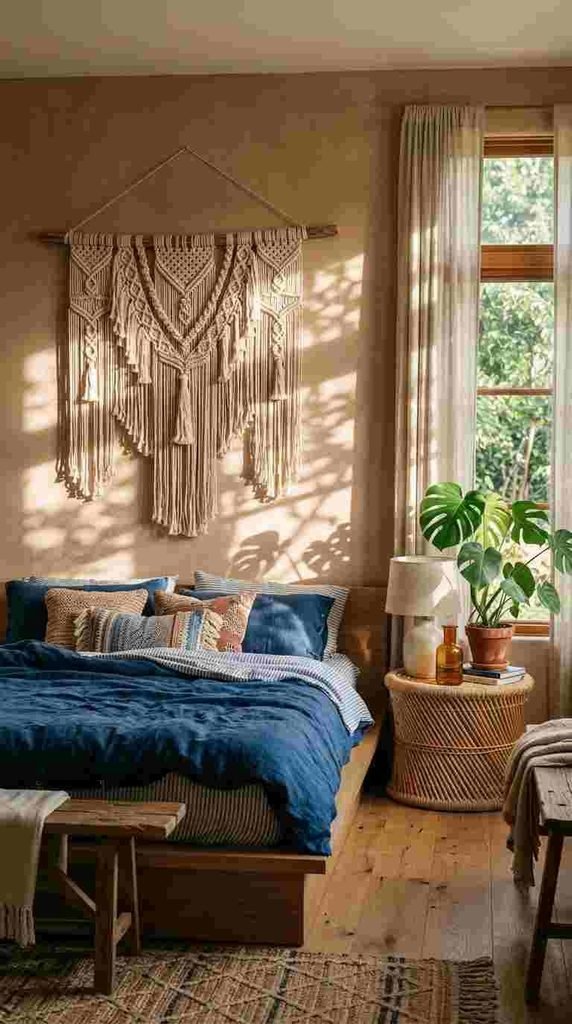
9. Rug Layering for Grounded Comfort
Anchor the bed area with a larger natural fiber rug like jute or sisal, then layer a smaller patterned or plush rug on top for added softness underfoot. This technique creates visual dimension and defines the sleeping zone within open-concept layouts while providing practical insulation against cold floor surfaces. Choose complementary textures rather than competing patterns to maintain serenity, letting the base rug provide structure and the top rug deliver comfort. The combination also protects expensive flooring and reduces noise transmission between levels in multi-story homes.
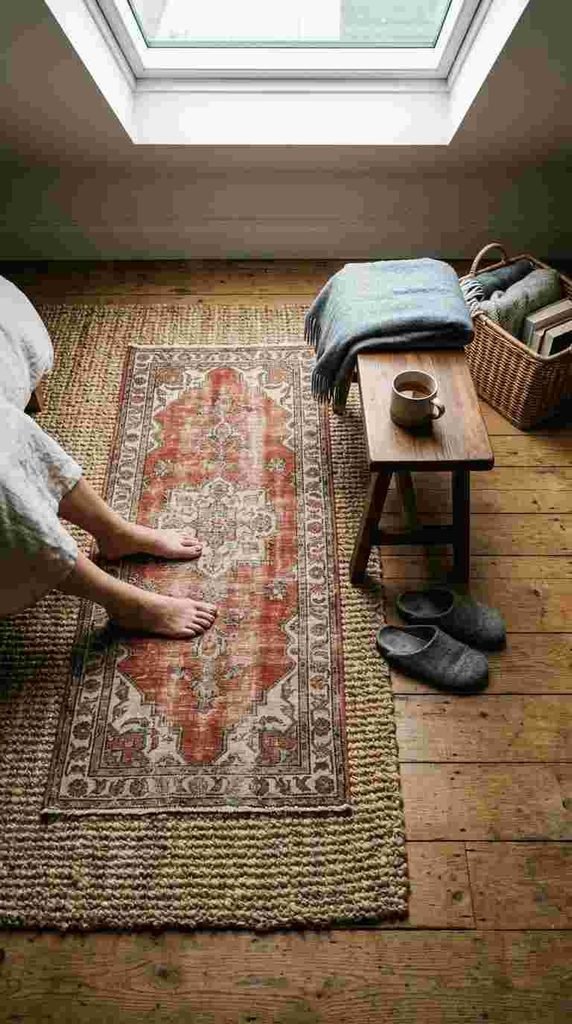
10. Copper or Brass Metallic Accents
Warm metal finishes reflect autumn light more kindly than cool silver or chrome, adding subtle shimmer without visual harshness. Incorporate through lamp bases, drawer pulls, curtain rods, or decorative objects that catch glances throughout the day as lighting conditions shift. These metals develop patina over time, evolving alongside your space rather than remaining static and showroom-perfect. Their reflective quality amplifies candlelight and lamp glow, multiplying sources of warmth and making smaller rooms feel brighter and more expansive during darker months.

11. Window Treatments in Heavy Fabrics
Swap lightweight summer sheers for lined cotton, velvet, or wool drapery that insulates against drafts and muffles exterior noise. Floor-length panels in deep hues or textured neutrals frame windows elegantly while blocking early sunrises that disrupt autumn sleep schedules. The added fabric mass contributes to thermal regulation, reducing heating costs and eliminating cold spots near glass surfaces. Tiebacks in leather or rope allow daytime light penetration while maintaining the option for complete privacy and darkness when needed.

12. Personal Photo Displays in Warm Frames
Curate a small gallery of meaningful photographs printed on matte paper and housed in wooden or gilded frames that echo fall tones. Avoid digital screens in the bedroom to preserve melatonin production and mental separation from technology-driven stressors. Arrange frames in organic clusters on dressers or floating shelves rather than rigid grids to feel collected and personal rather than staged. Seeing loved ones, travel memories, or nature scenes reinforces emotional safety and belonging, which are foundational to restful sleep environments.
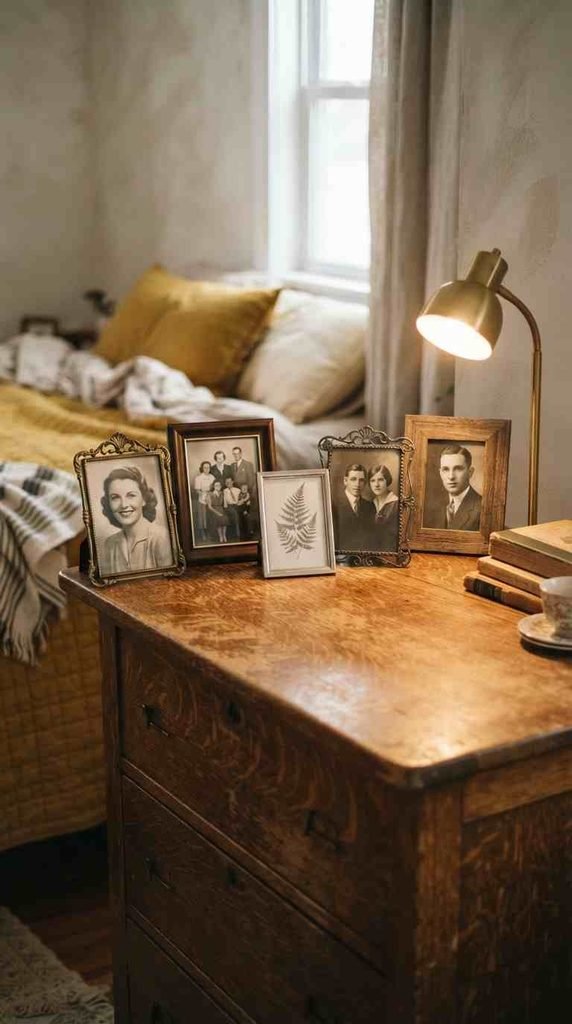
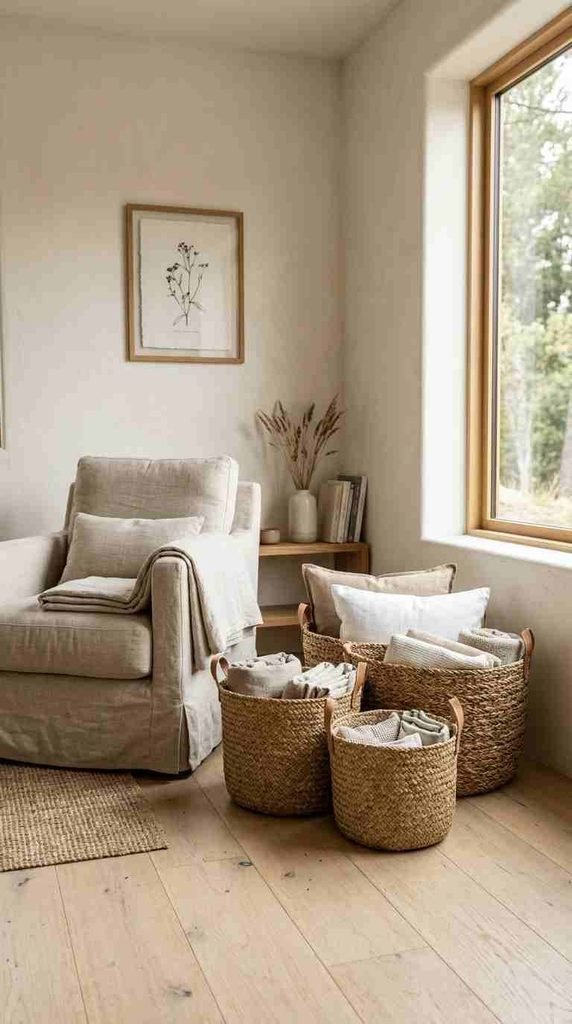
13. Basket Storage Solutions
Corral clutter in woven seagrass, rattan, or canvas baskets that hide necessities while adding textural warmth to visible storage areas. Use varying sizes for blankets, pillows, books, or laundry to maintain visual rhythm and prevent monotonous repetition. Open-weave designs allow airflow for stored textiles while concealing contents just enough to reduce visual chaos without sacrificing accessibility. Natural fibers continue the biophilic connection established by wood and botanicals, reinforcing the room’s cohesive organic narrative.
14. Reading Nook Enhancement
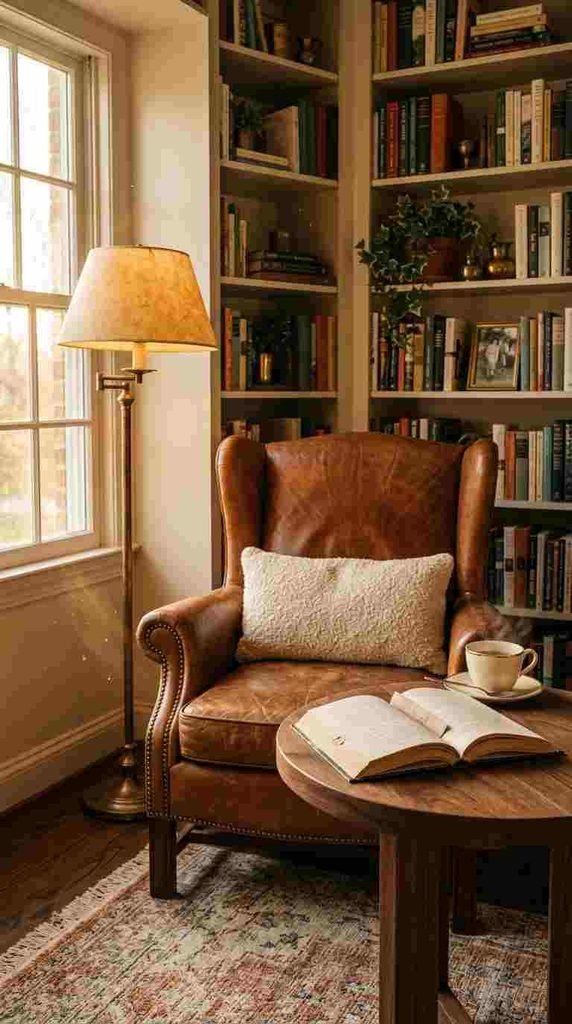
Create a dedicated retreat with a comfortable chair, supportive cushion, task lighting, and side table within arm’s reach of the bed or window. Upholster in boucle, corduroy, or brushed cotton that invites prolonged sitting without pressure points or temperature discomfort. Position near natural light for daytime reading but ensure adequate artificial illumination for evening use without straining eyes. This micro-environment separates active relaxation from sleep preparation, helping condition the brain to associate the bed primarily with rest rather than stimulation.
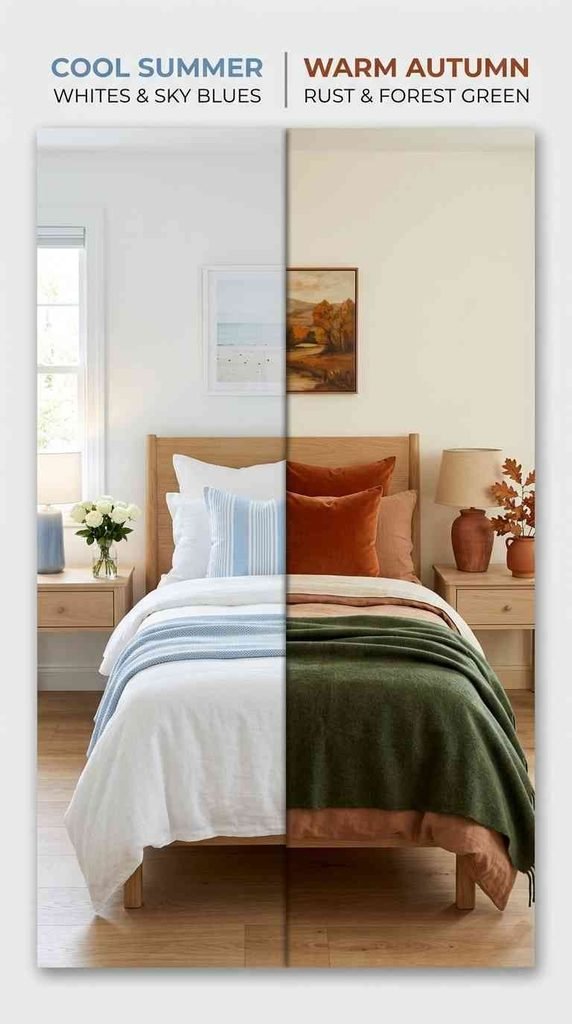
15. Seasonal Color Palette Rotation
Refresh accent colors quarterly using removable elements like pillows, throws, and art rather than permanent paint or upholstery changes. Transition from summer blues and whites to autumn ochres, moss greens, and clay reds through affordable swaps that take minutes to execute. Keep a core neutral foundation so seasonal accents pop without overwhelming the senses or requiring full redecorations. This practice maintains novelty and mindfulness about your environment while respecting budget and sustainability constraints.
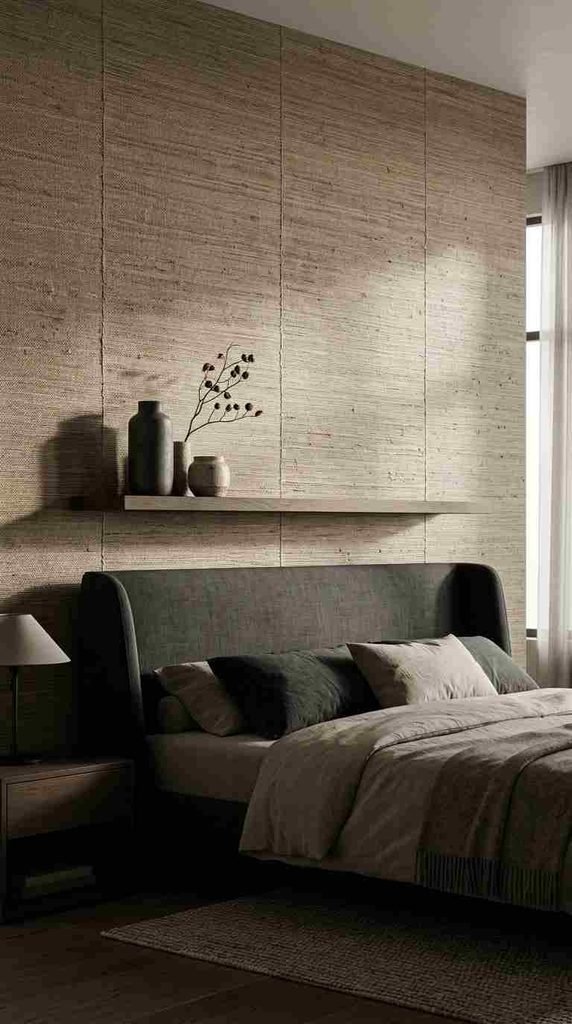
16. Textured Wallpaper or Peel-and-Stick Panels
Add dimensional interest to one accent wall using grasscloth, cork, or embossed vinyl that mimics natural materials without installation complexity. These surfaces absorb sound, hide minor wall imperfections, and provide tactile feedback that flat paint cannot offer. Choose patterns inspired by falling leaves, bark, or woven textiles to reinforce thematic cohesion without literal representation. Removable options allow experimentation and future updates without commitment or damage to underlying drywall.
17. Heated Blanket or Mattress Pad Integration
Invest in dual-control heated bedding that allows partners to customize warmth levels independently without compromising shared comfort. Modern versions use thin, flexible wiring undetectable beneath sheets and include auto-shutoff timers for safety and energy efficiency. Pre-warming the bed thirty minutes before sleep eliminates the shock of cold sheets and accelerates the body’s natural temperature drop required for sleep onset. This functional upgrade addresses physiological needs directly, making decorative layers purely aesthetic rather than compensatory.

18. Mirror Placement for Light Amplification
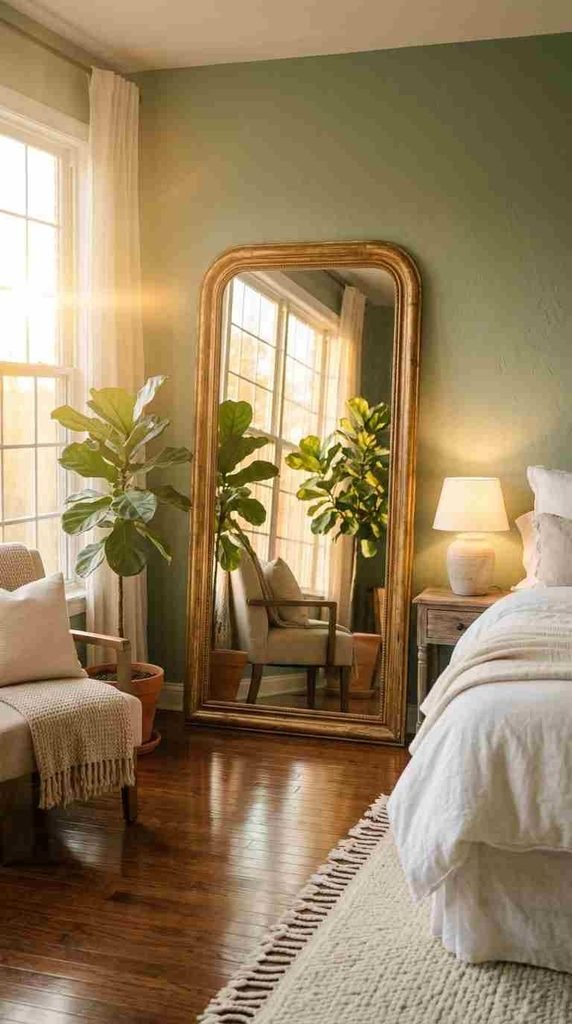
Position mirrors opposite windows or light sources to bounce autumn sunshine deeper into darker corners and extend perceived daylight hours. Choose frames in warm woods or antiqued metals that complement rather than compete with surrounding decor. Lean oversized floor mirrors against walls for casual elegance and flexible repositioning as seasonal light angles shift throughout fall. Reflective surfaces also create illusion of expanded space, preventing smaller bedrooms from feeling cramped as heavier textiles accumulate.
19. Sound Machine or White Noise Device
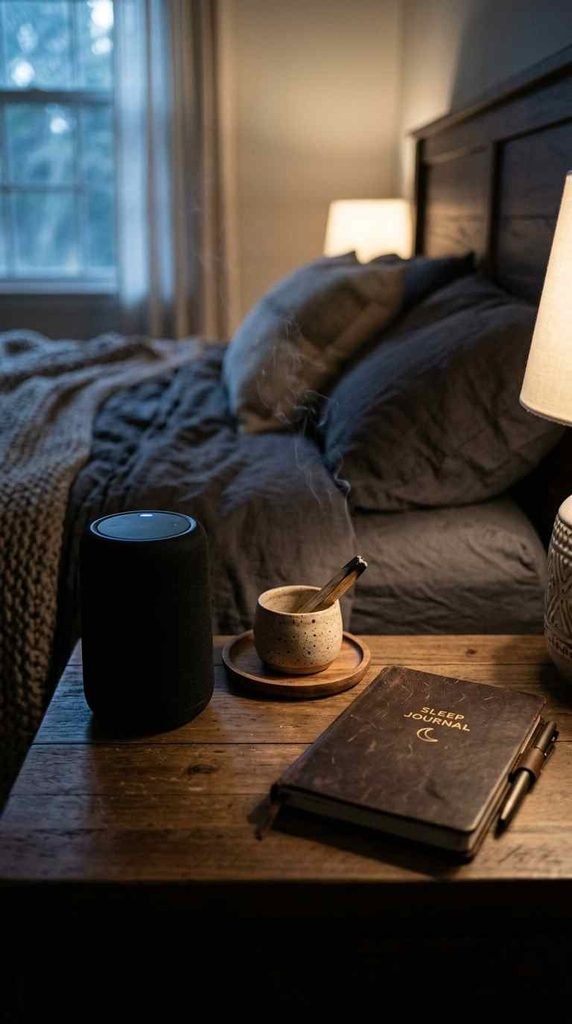
Mask disruptive external noises like wind, rain, or neighborhood activity with consistent auditory backdrop that promotes uninterrupted sleep cycles. Choose devices offering nature sounds like crackling fire, gentle rainfall, or forest ambiance that align with fall themes rather than mechanical static. Place units away from direct ear level to diffuse sound evenly without creating localized hotspots or vibration transfer through furniture. Auditory consistency trains the brain to filter disturbances, making decorative quietude functionally achievable regardless of environmental variables.
20. Plant Selection for Low-Light Fall Conditions
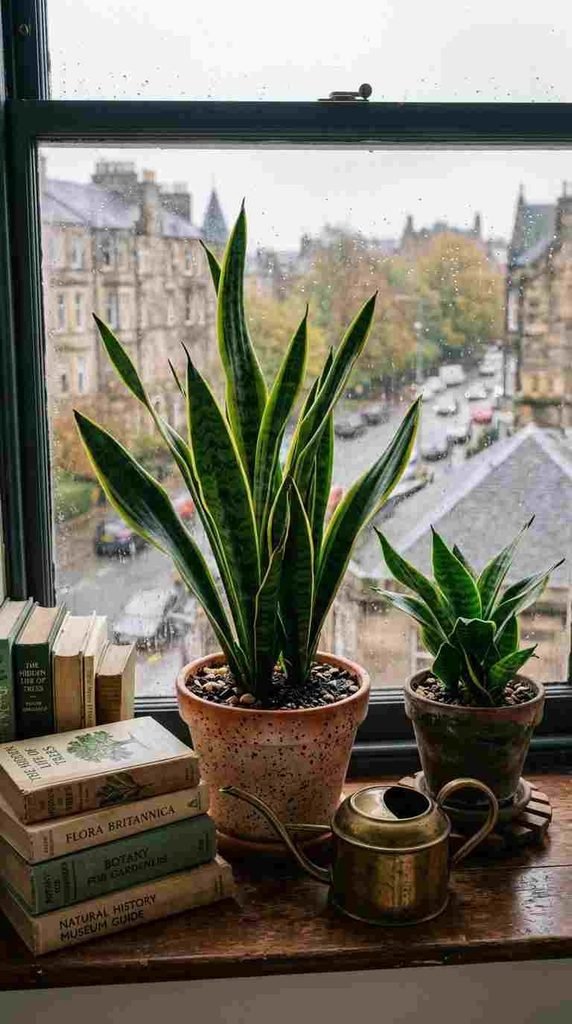
Choose resilient houseplants like snake plants, ZZ plants, or pothos that thrive in diminishing autumn light without demanding constant attention. Green foliage provides vital biophilic connection when outdoor landscapes go dormant, supporting mental health during shorter days. Group specimens in odd numbers on varied-height stands to create living sculpture that purifies air and humidifies dry heated environments. Terracotta or unglazed ceramic pots continue the earthy material story while ensuring proper drainage and root breathability.
21. Artisan Pottery and Ceramic Vessels
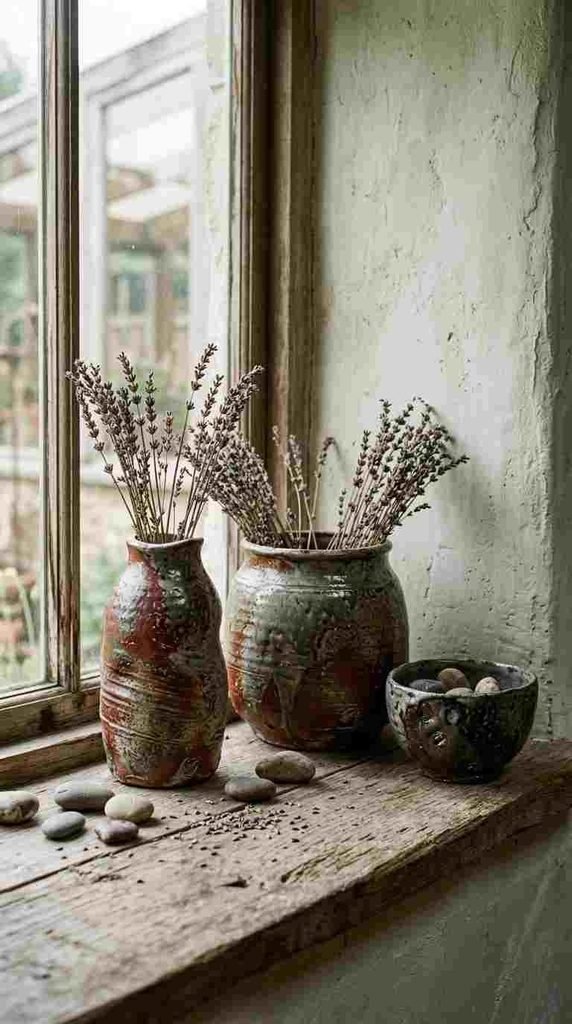
Display hand-thrown mugs, vases, or bowls that showcase maker’s marks, glaze variations, and organic asymmetry celebrating human touch over mass production. Imperfect forms feel inherently warmer and more approachable than factory-perfect porcelain, reinforcing the handmade ethos central to autumn nesting rituals. Use functional pieces daily for tea, flowers, or trinkets to integrate beauty into routine rather than reserving it for special occasions. Glazes in iron oxide, ash, or celadon connect visually to fallen leaves, wet stone, and twilight skies outside.
22. Doorway and Entryway Transition Zone
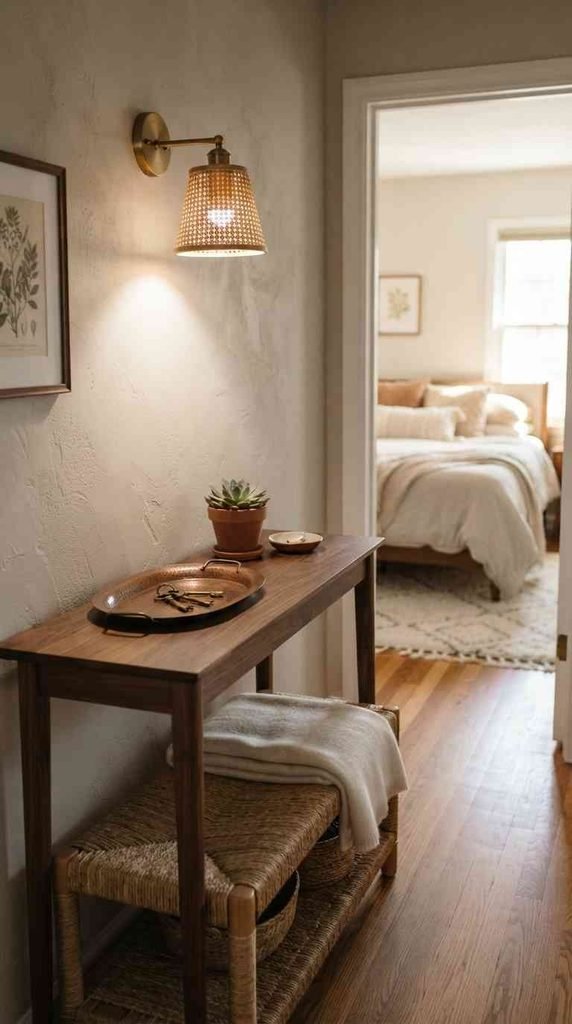
Treat the bedroom threshold as intentional boundary marking separation from household chaos through welcoming tactile and visual cues. Add a small console table with tray for keys, a bench for shoe removal, or hanging hooks for robes and bags to prevent clutter migration into sleep space. Soft lighting and a signature scent at entry signal neurological transition from alertness to restoration mode. This liminal space honors the psychological need for ritualized decompression before entering the sanctuary proper.
23. Digital Sunset Ritual Setup
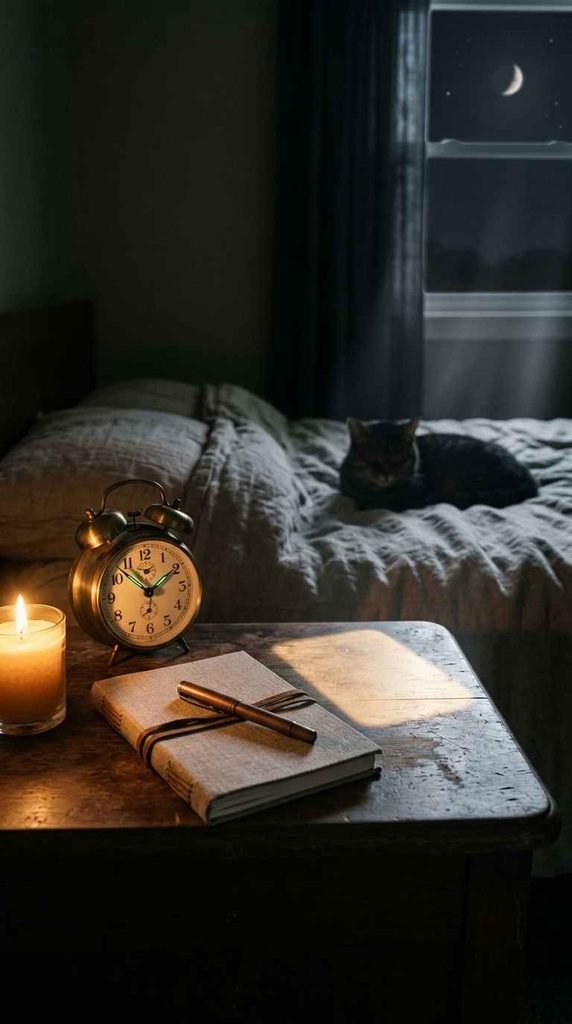
Establish a designated charging station outside the bedroom or in a closed drawer to physically separate sleep environment from notification-driven anxiety. Replace phone alarm clocks with analog alternatives and keep tablets/e-readers in another room after predetermined cutoff times. Create a pre-sleep ritual involving journaling, stretching, or herbal tea that replaces scrolling as default wind-down behavior. This intentional disconnection protects circadian biology and preserves the bedroom’s sacred association with restoration rather than information consumption.
As we conclude this journey through twenty-three thoughtful fall bedroom transformations, remember that true coziness emerges not from perfection but from intentionality and personal resonance. Each idea presented here serves as a starting point for experimentation rather than a rigid prescription, inviting you to adapt suggestions to your unique space, budget, and sensory preferences. The most inviting bedrooms evolve organically through seasons, accumulating layers of meaning and comfort that reflect the lives lived within them. Trust your instincts about what feels nurturing, release pressure to achieve magazine-ready results, and embrace the beautiful imperfection of creating a sanctuary that genuinely supports your rest and renewal. May your autumn nights be deeply restorative and your mornings gently bright as you cultivate a bedroom that feels less like a decorated space and more like an extension of your own peaceful heart.